

Caffeine Alternatives to Stop Jitters: 7 Options
Table of Contents
- Why Caffeine Causes Jitters and Anxiety
- How to Stop Coffee Jitters Fast
- Decaffeinated Coffee: Full Flavor Without the Stimulant
- Matcha and Green Tea: Sustained Energy with L-Theanine for Focus
- Adaptogenic Coffee Alternatives: Mushroom-Infused Options
- Herbal Tea Alternatives for Caffeine-Free Alertness
- Managing Energy Levels Without Stimulants
- Frequently Asked Questions
Last Updated: September 20, 2026
Why Caffeine Causes Jitters and Anxiety
Caffeine works by blocking adenosine receptors in your brain. Adenosine is a compound that builds up during the day and signals your body that it's time to rest. When caffeine blocks these receptors, you feel more alert. But this mechanism comes with a cost.
The problem isn't caffeine itself, it's the dose and sensitivity. When you consume too much, or when your body processes it slowly, adenosine receptors get overwhelmed. Your nervous system goes into overdrive. Blood vessels constrict. Heart rate increases. You feel the jittery sensation, the palpitations, the anxiety that makes you want to crawl out of your skin.
This happens because caffeine is a stimulant. It triggers the release of adrenaline. For some people, a single cup of coffee is fine. For others, even half a cup causes noticeable jitters. Genetics, body weight, medications, and even sleep quality the night before all affect how your body processes caffeine. The real issue: most people don't adjust their intake to match their actual sensitivity.
The caffeine crash compounds the problem. After 4-6 hours, the caffeine wears off. Adenosine receptors suddenly become active again, and there's been a buildup of adenosine while the caffeine was blocking them. The result is an energy slump that feels worse than before you drank the coffee. Many people respond by drinking more coffee, creating a cycle that leaves them jittery and exhausted.
How to Stop Coffee Jitters Fast
The fastest way to stop jitters is to stop consuming the stimulant. But that's not practical if you need alertness for work. A better approach: reduce your dose gradually rather than quitting cold turkey.
Cut your caffeine intake by 25% every three days. This prevents caffeine withdrawal, which causes headaches and fatigue. If you normally drink two cups, drop to one and a half. After three days, drop to one cup. Continue until you reach a dose that keeps you alert without the jittery feeling.
Timing matters. Drink coffee with food, not on an empty stomach. Food slows caffeine absorption, which means a gentler rise in blood levels instead of a spike. The jitters come from rapid spikes, not from the total amount.
Hydration is underrated. Caffeine is a diuretic, it increases urine production and dehydrates you. Dehydration amplifies anxiety and makes jitters worse. Drink a glass of water for every cup of coffee. This simple step reduces jitters noticeably.
If you're sensitive to caffeine, afternoon consumption is a trap. Caffeine has a half-life of 5-6 hours, meaning half of what you drank is still in your system six hours later (pubmed.ncbi.nlm.nih.gov). Drink all your coffee before 2 PM. This prevents sleep disruption and the next-day grogginess that makes you reach for more caffeine.
| Strategy | Timeline | Effect |
|---|---|---|
| Gradual reduction | 3 days per step | Prevents withdrawal |
| Food with coffee | Immediate | Slows absorption |
| Hydration | Per cup | Reduces anxiety |
| Morning-only timing | Ongoing | Improves sleep |
Decaffeinated Coffee: Full Flavor Without the Stimulant
Decaf coffee removes most of the caffeine but keeps the flavor and ritual. This is where many people stumble: they expect decaf to taste like regular coffee. It doesn't. Decaf tastes slightly different because the decaffeination process affects flavor compounds.
The Swiss Water Process is the best decaffeination method. It uses water instead of chemicals to remove caffeine, which preserves more of the original flavor profile. Look for this label when buying decaf. Chemical-based decaffeination (like methylene chloride) is cheaper but leaves more flavor compounds behind in a way that tastes off.
Beverly Blend's Peru Decaf uses the Swiss Water Process and delivers caramel, smooth, and citrus notes. It's a medium roast from single-origin beans grown in Peru's Piura and Amazonas regions. The flavor profile is rich enough that you won't feel like you're drinking a compromise. At $19.99, it costs less than two specialty coffee shop drinks.

The psychological benefit is real. The ritual of brewing and sipping coffee matters. Your brain associates the taste, smell, and warmth with alertness and focus. Decaf preserves this ritual while removing the stimulant. For people who want the experience without the jitters, decaf is the practical choice.
Decaf works best for afternoon and evening drinking. If you're jittery in the morning, your issue is probably dose sensitivity, not timing. Decaf won't solve that. But if you want coffee after 3 PM without disrupting sleep, decaf eliminates the problem entirely.
Matcha and Green Tea: Sustained Energy with L-Theanine for Focus
Matcha and green tea contain caffeine, but they pair it with L-theanine, an amino acid that changes how your body experiences the stimulant. L-theanine promotes alpha brain waves, which are associated with calm focus (pubmed.ncbi.nlm.nih.gov). This is the opposite of the jittery, scattered feeling regular caffeine produces.
The combination works because L-theanine slows caffeine absorption. Instead of a spike, you get a gradual rise in alertness. The effect lasts longer, 4-8 hours instead of 3-5 hours, and the crash is gentler. You feel alert without the anxiety.
Matcha is powdered green tea, which means you consume the whole leaf, not just brewed water. This gives you more L-theanine and more caffeine (about 70 mg per serving) than regular green tea (25-50 mg). The flavor is grassy and slightly sweet. Matcha requires a specific preparation ritual: you whisk the powder with hot water until it's frothy. This ritual itself can be calming, which adds to the cognitive benefits.
Beverly Blend's Matcha is crafted for traditional preparation and mindful daily rituals. At $22.99, it's more expensive than regular tea, but the sustained focus and lack of jitters justify the cost for people who work from home or need long periods of concentration.

Green tea is a lighter alternative. It has less caffeine and less L-theanine than matcha, but it's easier to prepare and cheaper. The flavor is more delicate. If you're new to this category, start with green tea. If you like it and want stronger effects, upgrade to matcha.
The data on L-theanine is solid. Studies show it reduces anxiety while maintaining alertness. For people seeking caffeine alternatives to stop jitters, matcha and green tea are the best options that still contain caffeine. You keep the stimulant effect but lose the anxiety.
Adaptogenic Coffee Alternatives: Mushroom-Infused Options
Adaptogens are plants and fungi that help your body manage stress and maintain energy balance. They don't contain caffeine, but they support your nervous system in ways that improve alertness and reduce the need for stimulants.
The most researched adaptogens for energy are Lion's Mane, Cordyceps, and Reishi. Lion's Mane is traditionally used for its association with clarity and focus. Cordyceps is valued for supporting stamina and vitality. Reishi is called the "mushroom of balance" because it promotes calm while maintaining alertness.
Mushroom-infused coffee combines regular coffee with these adaptogens. This gives you the caffeine boost plus the nervous system support. The jitters are less pronounced because the adaptogens help your body process the caffeine more smoothly.
Beverly Blend offers two mushroom coffee options. The Coffee with Mushrooms Dark Roast and Medium Roast are specialty-grade coffee infused with Lion's Mane, Cordyceps, and Reishi, priced at $20.99 each. For convenience, the Instant Coffee with Mushroom provides about 42 servings at the same price. Each package uses real mushroom powder, not extracts, which means you get the full spectrum of compounds.

The trade-off: mushroom coffee still contains caffeine. If you're extremely sensitive to stimulants, this won't solve the problem completely. But if you can tolerate some caffeine and want to reduce jitters, mushroom coffee is a practical middle ground. It tastes like regular coffee but with slightly earthier notes.
Herbal Tea Alternatives for Caffeine-Free Alertness
Herbal teas contain no caffeine but many contain compounds that improve alertness and mental clarity. Rooibos, hibiscus, and fruit-based herbal blends offer flavor and ritual without the stimulant.
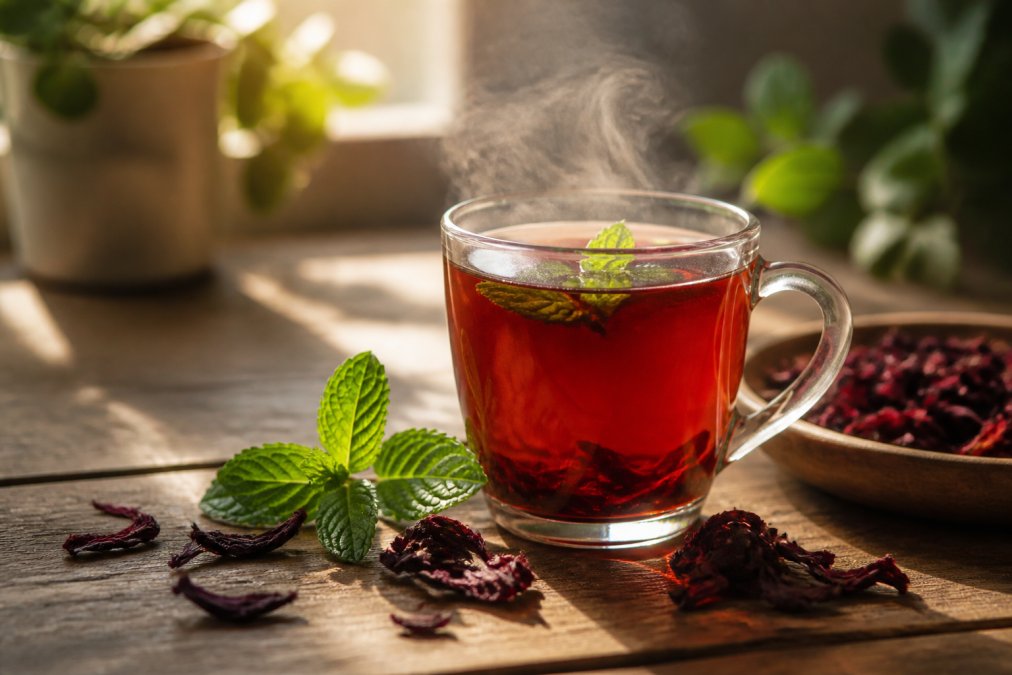
Rooibos is a red bush tea from South Africa.
Managing Energy Levels Without Stimulants
The real solution to jitters isn't just swapping beverages, it's managing your energy system holistically. Stimulants are a band-aid. True alertness comes from sleep, hydration, nutrition, and movement.
Frequently Asked Questions
What cancels out caffeine jitters?
L-theanine, an amino acid found in green tea and matcha, works by promoting alpha brain waves while caffeine stimulates beta waves, creating a calmer alertness. Pairing caffeine with L-theanine reduces the jittery sensation. Alternatively, switching to caffeine alternatives like decaffeinated coffee, herbal teas, or adaptogenic mushroom blends eliminates jitters entirely while maintaining focus and sustained energy without the nervous system overstimulation.
How does L-theanine help reduce caffeine-related anxiety?
L-theanine promotes relaxation without drowsiness, which can counteract the anxiety caffeine sometimes triggers. While caffeine blocks adenosine receptors and can increase heart rate, L-theanine helps provide mental clarity and alertness without the palpitations or jittery sensation. Matcha and quality green teas naturally contain both caffeine and L-theanine in a balanced ratio, making them ideal for sustained energy without the crash or anxiety.
What caffeine alternatives provide sustained energy without jitters?
Decaffeinated coffee, matcha, herbal infusions like rooibos, and adaptogenic mushroom blends all deliver sustained energy without stimulant-related side effects. Matcha offers gentle alertness through L-theanine and caffeine balance. Mushroom-infused coffee blends with Lion's Mane, Cordyceps, and Reishi support stamina and mental clarity while reducing nervous system overstimulation. Herbal alternatives like rooibos and hibiscus provide antioxidants and a satisfying ritual without blood sugar spikes or caffeine withdrawal.
Are herbal teas effective for morning alertness?
Yes, herbal teas can support alertness through different mechanisms than caffeine. While naturally caffeine-free, premium herbal blends like rooibos and hibiscus support hydration, which directly impacts alertness. For more noticeable energy support, matcha and green tea provide gentle caffeine with L-theanine for focus without jitters. The ritual of brewing and sipping warm tea also triggers mindfulness, which enhances mental clarity and sustained attention throughout your workday.