

How to Choose the Freshest Coffee Beans at the Store
Table of Contents
- Why Freshness Matters When Choosing Coffee Beans
- How to Tell if Coffee Beans Are Fresh: The In-Store Checklist
- Understanding Coffee Bean Roast Date Labels
- How Long Do Coffee Beans Stay Fresh After Roasting
- Whole Beans Versus Ground Coffee: Which Stays Fresher
- How to Store Coffee Beans After You Get Home
- What to Do When No Roast Date Is Printed on the Bag
- Choosing Beans for Your Brewing Method
- Frequently Asked Questions
Last Updated: October 10, 2026
Why Freshness Matters When Choosing Coffee Beans
The difference between fresh and stale coffee beans shows up in your cup within days of roasting. Fresh beans deliver bright, complex flavors. Stale beans taste flat and bitter.
Coffee beans begin losing flavor the moment they're roasted. Oxygen exposure, light, and heat speed up this decline. A bean roasted three weeks ago tastes noticeably different from one roasted three days ago.
Knowing how to choose the freshest coffee beans at the store keeps you from buying old stock sitting on shelves. Most grocery stores rotate inventory slowly. Specialty coffee shops and direct roasters like Beverly Blend prioritize freshness because it's the foundation of quality.
When you learn to spot fresh beans, you'll notice the difference immediately. Your morning cup becomes brighter. The aroma deepens. The flavor profile the roaster intended actually comes through.
How to Tell if Coffee Beans Are Fresh: The In-Store Checklist
Finding fresh coffee beans requires checking four specific things before you buy. This in-store checklist takes two minutes and makes a real difference in what you taste.
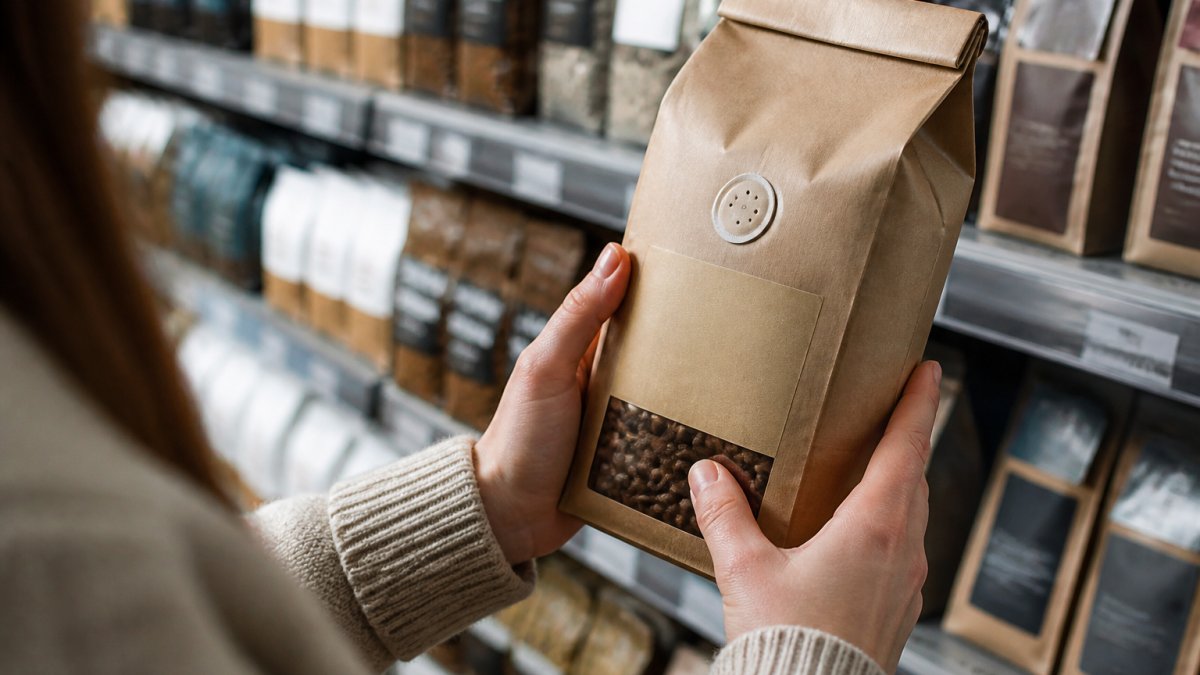
Step 1: Find and Read the Coffee Bean Roast Date
The roast date is the most important number on any coffee bag. Look for it on the front or back label. It tells you exactly when the beans were roasted.
A roast date of within the last two weeks means the beans are fresh. Within one week is ideal. Anything older than four weeks has lost significant flavor.
Many bags show a "best by" date instead. That's less useful. A best-by date is a guess about shelf life. The roast date is a fact.
If you see both dates, trust the roast date. It's the real information you need.
Step 2: Check the Bag's One-Way Valve and Seal
The one-way valve on a coffee bag lets gas escape without letting air in. Fresh roasted beans release CO2 for days after roasting. The valve prevents the bag from bursting.
A working valve should feel slightly puffy. The bag should be sealed completely around the edges with no tears or creases that break the seal.
Run your fingers around the entire perimeter. Feel for gaps. A compromised seal means oxygen has been getting in, which degrades the beans.
If the bag feels flat and limp, the valve may not be working. Pass on it.
Step 3: Inspect the Beans for Color and Oil Appearance
Open the bag slightly and look at the beans themselves. Fresh beans have a consistent color for their roast level. Light roasts look brown. Medium roasts look darker brown. Dark roasts look nearly black.
Beans should look uniform. Discolored or chalky-looking beans suggest age or poor storage.
Oil on the surface tells you about roast level, not freshness. Light roasts have minimal surface oil. Medium roasts show some shine. Dark roasts look visibly oily. This is normal and expected based on how dark they were roasted.
What matters is consistency. All beans in the bag should look similar to each other.
Step 4: Smell the Aroma Through the Bag
Fresh coffee beans smell strong and complex. You should smell them through the bag without opening it fully.
A strong aroma means the beans are actively releasing volatile compounds. That's what creates the flavor in your cup.
A weak or flat smell suggests the beans have been sitting for weeks. The aromatic compounds have already escaped.
Understanding Coffee Bean Roast Date Labels
Roast dates appear in different formats depending on the roaster. Learning to read them prevents confusion at checkout.
Some roasters use the standard date format: Month/Day/Year or Month-Day-Year. This is the clearest option. You read it like any other date.
Others use a Julian date code, which shows the day of the year. January 1st is 001. December 31st is 365. You have to calculate backward to figure out the actual calendar date.
A few roasters create their own codes. These require looking up the company's legend online or asking staff.
The best practice is choosing roasters who print dates in a format you understand immediately. Beverly Blend uses clear, readable dates on every bag so there's no guessing.
When you're comparing bags, write down the dates and do the math if needed. It takes 30 seconds and ensures you're comparing apples to apples.
How Long Do Coffee Beans Stay Fresh After Roasting
Coffee beans stay at peak freshness for about two to three weeks after roasting. This is the window where flavor complexity shines through.
The first three to five days after roasting, beans release CO2 and continue developing flavor.
Days five through twenty-one represent peak freshness. The beans have finished degassing. Flavors have stabilized. This is when you get the brightest, most complex cup.
After three weeks, the beans begin losing flavor noticeably. By week four, the difference becomes obvious to anyone who drinks coffee regularly.
This doesn't mean old beans are unsafe. They won't make you sick. They just taste dull and bitter compared to fresh beans.
Storage conditions dramatically affect this timeline. Beans stored in an airtight container in a cool, dark place stay fresher longer than beans in a half-open bag on a warm shelf.
Whole Beans Versus Ground Coffee: Which Stays Fresher
Whole beans stay fresh significantly longer than pre-ground coffee. This is the most important factor in choosing what to buy.
Whole beans have less surface area exposed to oxygen. The protective skin of the bean slows oxidation. Fresh whole beans stay at peak flavor for three weeks or more.
Ground coffee has vastly more surface area. Every particle is exposed to oxygen immediately. Ground coffee begins losing flavor within hours of grinding. By day three, most of the aromatic compounds are gone.
This is why grocery store pre-ground coffee tastes flat. It's been sitting in bags for weeks or months, oxidizing constantly.
If you want the freshest coffee possible, buy whole beans and grind them at home immediately before brewing. If you must buy ground coffee, use it within two to three days.
How to Store Coffee Beans After You Get Home
Storage after purchase determines how long your beans stay fresh. The right approach keeps them at peak flavor for the full three-week window.
Store beans in an airtight container in a cool, dark place. A pantry or cabinet away from the stove works well.
Light, heat, and moisture are the three enemies of coffee freshness. Direct sunlight breaks down flavor compounds. Heat accelerates oxidation. Moisture promotes mold and off-flavors.
An airtight container blocks oxygen. Oxygen causes oxidation, which is the primary reason beans go stale.
Keep the original bag if it has a working one-way valve. Fold the top down and seal it.
Never store beans in the refrigerator. The temperature fluctuations when you open and close it introduce moisture.
Label your container with the roast date so you remember when you bought them.
What to Do When No Roast Date Is Printed on the Bag
Some coffee bags don't display a roast date. This is a red flag. It usually means the beans are old stock or the roaster doesn't prioritize freshness.
If no date is printed, ask the store staff when the bag arrived. They can check receiving records.
Check the best-by date if that's all that's available. Subtract four weeks from the best-by date to estimate the roast date.
Look at the beans themselves. Use the color and oil appearance test from Step 3. If they look dull or discolored, they're old.
Smell the bag. Fresh beans smell strong and complex. Old beans smell faint or flat.
If you're buying from a local roaster, ask them directly.
If a store or roaster won't provide roast dates, they're not prioritizing freshness. Find a source that does.
Choosing Beans for Your Brewing Method
French press and cold brew need coarser grounds. These brewing methods use longer contact time.
Espresso needs fine, consistent grounds. The high pressure and short contact time require precise particle size.
Pour-over, Aeropress, and Moka pot use medium grounds. These methods fall between the extremes.
When you buy whole beans, grind them immediately before brewing.
If you're buying pre-ground coffee, match the grind to your brewing method.
Single-origin beans like specialty coffee from single origins highlight the unique characteristics of where they were grown.
Beverly Blend offers single-origin options like our Colombia with tasting notes of dried orange, berry, and chocolate, and our Ethiopia Natural with milk chocolate, fruity, and caramel notes.


Roast level also affects brewing. Light roasts highlight the bean's origin flavor.
Last Updated: October 10, 2026
According to the Specialty Coffee Association's research on coffee quality, freshness is the top factor consumers notice in their coffee experience.
The in-store checklist works every time. Check the roast date. Inspect the seal and valve.
Start applying this approach on your next coffee run. You'll taste the difference immediately.
For the ultimate in freshness, consider direct-to-door options where beans ship within days of roasting. Research from the National Coffee Association shows that roast-to-delivery timing significantly impacts the flavor compounds that reach your cup. Our Whiskey Barrel Aged and Brazil Santos options showcase what fresh beans can taste like when they arrive within days of roasting.

| Freshness Indicator | What to Look For | What It Means |
|---|---|---|
| Roast date | Within 2-3 weeks | Beans are at peak flavor |
| Bag seal | Completely sealed, no gaps | Oxygen hasn't degraded quality |
| Bean appearance | Uniform color, consistent look | Proper storage and handling |
| Aroma | Strong, complex smell | Active flavor compounds present |
| One-way valve | Slightly puffy, working properly | CO2 still escaping, beans are fresh |
Get started with Beverly Blend and experience the difference fresh beans make.
Frequently Asked Questions
How can you tell if coffee beans are fresh?
Check the roast date on the bag, freshest beans are 2-4 weeks from roasting. Inspect the one-way valve to ensure the bag is sealed properly, smell the aroma (fresh beans smell vibrant and aromatic), and look at the bean color (oily shine indicates proper roasting, not staleness). Whole beans stay fresher longer than ground coffee because they have less surface area exposed to oxygen.
How long do coffee beans stay fresh after roasting?
Roasted coffee beans peak in flavor 2-4 weeks after roasting and remain drinkable for up to 4-6 weeks if stored properly in an airtight container away from light and heat. After 6 weeks, beans gradually lose their aroma and flavor complexity. For the best cup, buy beans roasted within the past 2 weeks and consume them within a month.
What should I do if a coffee bag has no roast date printed on it?
Avoid bags without visible roast dates, they may be old stock or mislabeled. If you must choose one, check the best-by date instead and assume the beans are at least 2-4 weeks old. Look for other freshness clues: a strong aroma, intact one-way valve, and no visible mold or moisture inside the bag. When possible, choose brands that clearly print roast dates, like Beverly Blend, which roasts to order for maximum freshness.
How should I store coffee beans after opening the bag?
Transfer beans to an airtight container away from direct sunlight, heat, and moisture. Store at room temperature, never in the refrigerator or freezer, as condensation damages flavor. A sealed glass jar or specialty coffee canister works well. Keep the original bag's one-way valve intact if possible, as it releases CO2 while blocking oxygen. Properly stored beans stay fresh for 3-4 weeks after opening.