

How to Tell If Coffee Beans Are Fresh
Table of Contents
- Why Fresh Coffee Beans Taste Completely Different
- Visual Inspection: What Fresh Coffee Beans Look Like
- Aroma and Fragrance Analysis: Your Nose Knows
- The Coffee Bloom Test: The Most Reliable Freshness Check
- Coffee Roast Date vs Expiration Date: What Actually Matters
- Taste Profile Indicators: Diagnosing Staleness in the Cup
- How to Store Coffee Beans to Protect Freshness
- Conclusion
Last Updated: August 12, 2026
Why Fresh Coffee Beans Taste Completely Different
Knowing how to tell if coffee beans are fresh is the single most important skill a home brewer can develop. Most flat, hollow cups result from stale beans, not bad brewing. At Beverly Blend, we roast to order precisely because freshness is not a marketing claim, it is the entire foundation of flavor.
After roasting, the bean releases carbon dioxide through degassing, a process that continues for days and is one of the clearest freshness indicators available. Stale coffee develops rancid, papery, and cardboard-like flavors through oxidation. Fresh beans deliver distinct acidity, perceptible sweetness, and lingering body, a difference that is immediately noticeable once experienced.
Visual Inspection: What Fresh Coffee Beans Look Like
Visual inspection is your first diagnostic tool and reveals more than most people realize.
Surface Oil and Oxidation: Reading the Bean's Exterior
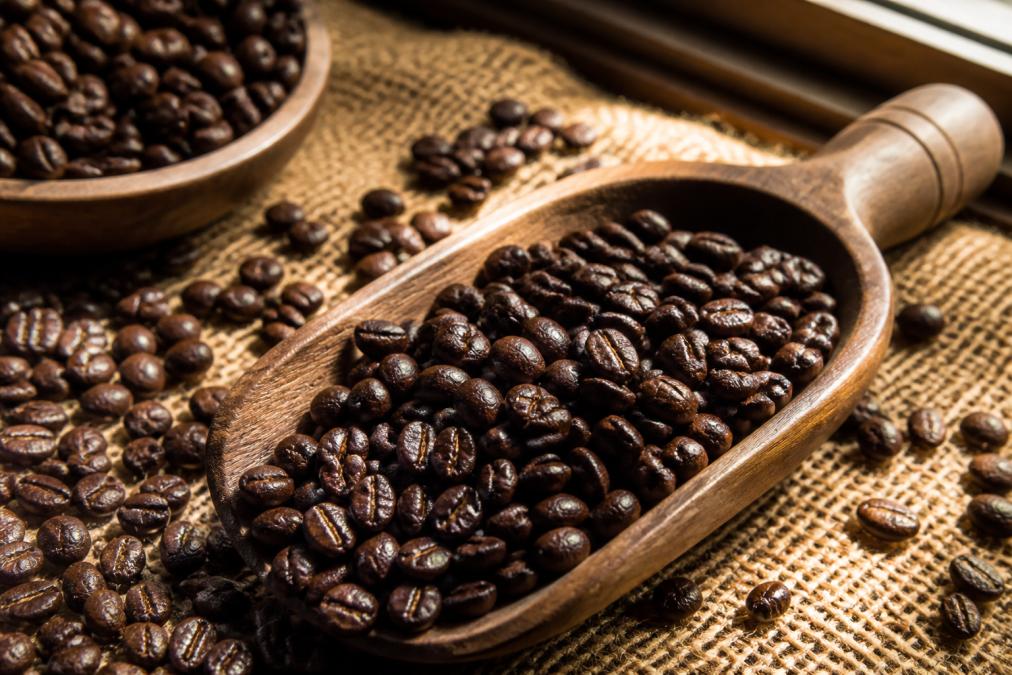
Fresh coffee beans display predictable visual changes as they age. Freshly roasted beans (within two weeks) may appear slightly matte or show light sheen depending on roast level. Beans at peak freshness (one to four weeks post-roast) often display a glossy sheen on darker roasts from natural oil migration. Stale beans show excessive wet-looking oil that pools visibly (signaling oxidation) or completely dry, matte surfaces on dark roasts where oils have oxidized away.
Run a bean between your fingers: fresh beans leave a light, clean oil film, while stale beans leave thick, tacky residue with off-smell or nothing at all. Bean density also matters, denser, specialty-grade beans hold volatile compounds longer and stay fresher under identical storage conditions.
Packaging and One-Way Valve Inspection
Quality roasters pack beans in bags with one-way valves that allow carbon dioxide to escape during degassing without letting oxygen in. Press the bag firmly and smell near the valve, strong, fresh aroma confirms active degassing and recent roasting. A puffed bag is a good sign; a flat, deflated bag has already released its carbon dioxide and is past its freshness window.
Aroma and Fragrance Analysis: Your Nose Knows
Aroma is the most immediate and reliable sensory evaluation tool. Fresh coffee beans produce layered, complex fragrance, floral notes, fruit, chocolate, caramel, or toasted nuts depending on origin and roast. The aroma should be assertive; opening a fresh bag fills the room.
Stale beans smell flat, muted, or develop rancid, musty, or cardboard-like odors. Grind a small amount and smell immediately, fresh grounds produce intense, complex aroma, while stale grounds smell weak or papery. According to the Specialty Coffee Association's resources on sensory evaluation, aroma accounts for a significant portion of the overall sensory experience.
The Coffee Bloom Test: The Most Reliable Freshness Check
The coffee bloom test is the single most objective freshness check you can perform at home without specialized equipment.
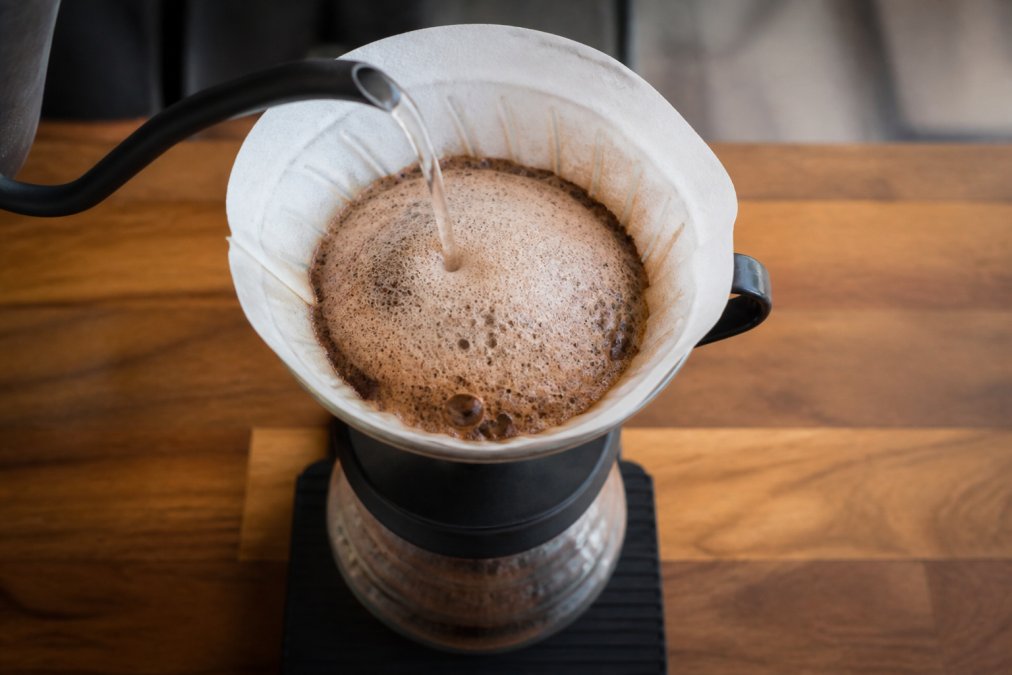
The bloom is the rapid release of carbon dioxide when hot water contacts freshly roasted grounds. Here is how to run the test:
- Grind your beans to your preferred grind size
- Add grounds to your pour-over dripper, French press, or any open brewing vessel
- Pour just enough hot water to saturate the grounds (roughly twice the weight of the coffee)
- Wait 30 to 45 seconds and observe
With fresh beans: The grounds swell noticeably and a foamy, bubbly dome rises from the surface, remaining active for 20 to 30 seconds.
With stale beans: Little to no bloom. The grounds absorb water and sit flat with no rise or bubbling.
Carbon dioxide in the grounds interferes with extraction by creating a barrier between water and coffee solids. The ideal resting period for most beans is two to seven days post-roast. If your beans produce a strong bloom, allow the full 30-to-45-second pre-infusion before continuing your pour to ensure even flavor development.
Coffee Roast Date vs Expiration Date: What Actually Matters
Roast date tells you when beans were roasted and determines freshness and flavor quality. Peak flavor occurs within two to four weeks of roast date, though properly stored beans remain acceptable for up to eight weeks.
Expiration date (labeled "best by") is a regulatory shelf-stability marker indicating safety, not flavor quality. A bag with a future "best by" date could have been roasted months ago. If a bag does not display a roast date, that is a red flag. According to research from the National Coffee Association on coffee freshness and storage, quality degrades primarily due to oxygen, moisture, heat, and light exposure rather than safety concerns.
| Indicator | What It Tells You | Reliability for Freshness |
|---|---|---|
| Roast date | When beans were roasted | High, the most important number |
| Expiration / best by date | Shelf stability, not flavor | Low, ignore for quality assessment |
| Bloom strength | Active CO₂ = recent roast | High, objective, observable |
| Aroma intensity | Volatile compound presence | High, best sensory indicator |
| Surface oil condition | Oxidation stage | Medium, varies by roast level |
| Bag inflation | Active degassing | Medium, good secondary check |
Taste Profile Indicators: Diagnosing Staleness in the Cup
Fresh coffee has complete flavor structure: acidity that brightens the palate, sweetness in the middle, and clean finish. Stale coffee fails predictably, flat and hollow with no acidity or brightness, papery or cardboard-like from oxidation, rancid or musty from degraded oils, or bitter without complexity.
Troubleshooting Freshness Issues by Brew Method
Pour-over and drip: Most transparent methods that amplify both best and worst qualities. Stale beans produce flat, hollow cups with no bloom during pre-infusion.
French press: Full-immersion method and metal filter mask mild staleness better than pour-over.
Espresso: Most demanding for freshness. Stale beans produce poor crema (thin, pale, dissipating quickly) and flat, bitter shots. Fresh beans produce thick, reddish-brown crema. According to the Specialty Coffee Association's brewing standards, crema quality is directly tied to carbon dioxide presence in grounds.
Cold brew: Most forgiving method. Beans two to three weeks past peak can still produce acceptable cold brew.
How to Store Coffee Beans to Protect Freshness
The four enemies of coffee freshness are oxygen, moisture, heat, and light. Every storage decision should minimize exposure to all four.
Whole beans vs. ground: Always buy whole beans and grind immediately before brewing. Ground coffee goes stale within 15 to 30 minutes of grinding at room temperature.
Best storage containers: An airtight, opaque container kept at room temperature is ideal for beans you will use within two weeks. Ceramic or stainless steel containers with airtight seals outperform glass and thin plastic.
Refrigerator and freezer: Refrigerators introduce moisture every time you open the door. The freezer is acceptable for long-term storage only if you freeze beans in airtight, single-serving portions and never refreeze.
Environmental factors: Store coffee away from stoves (heat and steam), windows (UV light), and humid areas near dishwashers or sinks. The ideal location is a cool, dark, dry cabinet. According to food science guidance from the USDA on storage and shelf life, moisture and temperature are primary drivers of quality degradation.
A practical checklist for protecting your beans:
- Transfer beans to an airtight, opaque container within 24 hours of opening the bag
- Store at room temperature, away from the stove, oven, and windows
- Grind only what you need immediately before brewing
- Never return ground coffee to the whole-bean container
- Label your container with the roast date
- Buy in quantities you will consume within two to three weeks
Understanding how to tell if coffee beans are fresh is a skill that pays off in every cup. Beverly Blend solves this directly: every order is roasted to order, with a clear roast date, and shipped with fast delivery so beans arrive at peak freshness. If you are ready to taste the difference that a genuinely fresh roast makes, get started with Beverly Blend and experience maximum flavor and aroma from your very first bag.
Frequently Asked Questions
Does the roast date on a coffee bag really matter?
The roast date is the single most useful number on a coffee bag. Unlike a best-by date, which tells you nothing about when the beans were roasted, the roast date lets you calculate exactly where you are in the freshness window. Whole beans are generally at their best between 5 and 30 days after roasting. Beans roasted more than 6 to 8 weeks ago will show noticeable flavor degradation regardless of how well they were stored.
How can you tell if coffee beans have gone rancid?
Rancid coffee beans smell sour, musty, or faintly like cardboard rather than rich and aromatic. The aroma fades almost entirely as volatile compounds break down. In the cup, rancid coffee tastes flat, hollow, or papery with little acidity or body. You may also notice the beans look dull and matte with no surface oil, or conversely, smell unpleasantly greasy if the oils have oxidized heavily. A failed bloom test, no bubbling when hot water hits the grounds, confirms the beans are past their prime.
How long does coffee stay fresh after it's ground?
Ground coffee goes stale much faster than whole beans because grinding dramatically increases the surface area exposed to oxygen. Pre-ground coffee begins losing its flavor profile within 15 to 30 minutes of grinding at room temperature. Stored in an airtight container, grounds hold reasonable flavor for up to a week, though noticeable degradation starts within 24 hours. For the best extraction and taste, grind whole beans immediately before brewing.
How long will coffee beans stay fresh in an unopened bag?
An unopened bag with a functional one-way degassing valve can preserve fresh coffee beans for 4 to 6 weeks after the roast date under normal conditions. Vacuum-sealed bags without a valve extend shelf life slightly longer because no oxygen is present, but once opened, the clock resets. After opening, aim to use whole beans within 2 to 4 weeks for the best flavor. Freezing unopened bags in an airtight container can extend shelf life to several months.
This article was written using GrandRanker