

Artisan Tea Brands for Daily Enjoyment
Table of Contents
- What Makes Artisan Tea Brands Different
- Artisan Tea vs Grocery Store Tea: Quality and Flavor
-
Best Loose Leaf Tea Brands for Your Collection
- 1. Earl Grey: Classic Elegance and Bergamot Aroma
- 2. Jasmine: Hand-Paired Blossoms and Green Tea
- 3. Masala Chai: Bold Spice and Full Body
- 4. Moroccan Mint: Versatile and Refreshing
- 5. Matcha: Mindful Preparation and Lingering Notes
- 6. Hojicha: Roasted Comfort in Every Cup
- 7. Herbal Alternatives: Hibiscus Berry and Apple Cider Rooibos
- How to Make Iced Tea for Summer
- Steeping Techniques and Water Temperature
- Sourcing, Sustainability, and Organic Certification
- Health Benefits and Daily Tea Rituals
- Conclusion
- Frequently Asked Questions
Last Updated: August 31, 2026
What Makes Artisan Tea Brands Different
Artisan tea brands source directly from tea gardens, control their own roasting and blending processes, and prioritize freshness. The difference is evident in the aroma, brew color, and flavor complexity that unfolds across multiple steepings.
Each batch is treated as a distinct product with named farmers and producers, creating transparency about harvest season, processing methods, and genuine tasting notes. Beverly Blend represents this approach, featuring loose leaf selections sourced from tea gardens known for terroir and craftsmanship. Every blend is prepared with intention, delivering tea that tastes noticeably richer and more nuanced than mass-produced alternatives.
Artisan Tea vs Grocery Store Tea: Quality and Flavor
Grocery store tea often relies on broken leaves and dust, which brew quickly but deliver flat, one-dimensional flavor. Whole leaf tea, which artisan brands prioritize, contains the full complexity of the plant's natural oils and cellular structure.
Artisan brands recommend specific water temperatures and steeping times because they understand how their particular leaves respond to heat. A delicate green tea might need 160-180°F to avoid bitterness, while roasted hojicha can handle boiling water (the FDA). A quality loose leaf Earl Grey delivers distinct bergamot, malt, and floral notes, while grocery store versions taste like orange-scented dust.

A single ounce of artisan loose leaf tea typically yields 15-20 cups, while grocery store tea bags often deliver only 5-8 serviceable cups (peer-reviewed research). When calculated per cup, premium artisan tea becomes competitive with daily coffee shop visits while offering superior quality.
| Factor | Artisan Tea Brands | Grocery Store Tea |
|---|---|---|
| Leaf Grade | Whole leaf or broken leaf pieces | Dust and fannings |
| Sourcing Transparency | Named tea gardens and regions | Generic origin or blended sources |
| Flavor Complexity | Multi-layered, evolves across steepings | Flat, one-note taste |
| Steeping Flexibility | Specific temps and times for optimal flavor | Generic instructions |
| Cost Per Cup | $0.80-$1.50 | $0.30-$0.60 |
| Brew Longevity | 3-5 quality infusions | 1-2 serviceable brews |
Best Loose Leaf Tea Brands for Your Collection
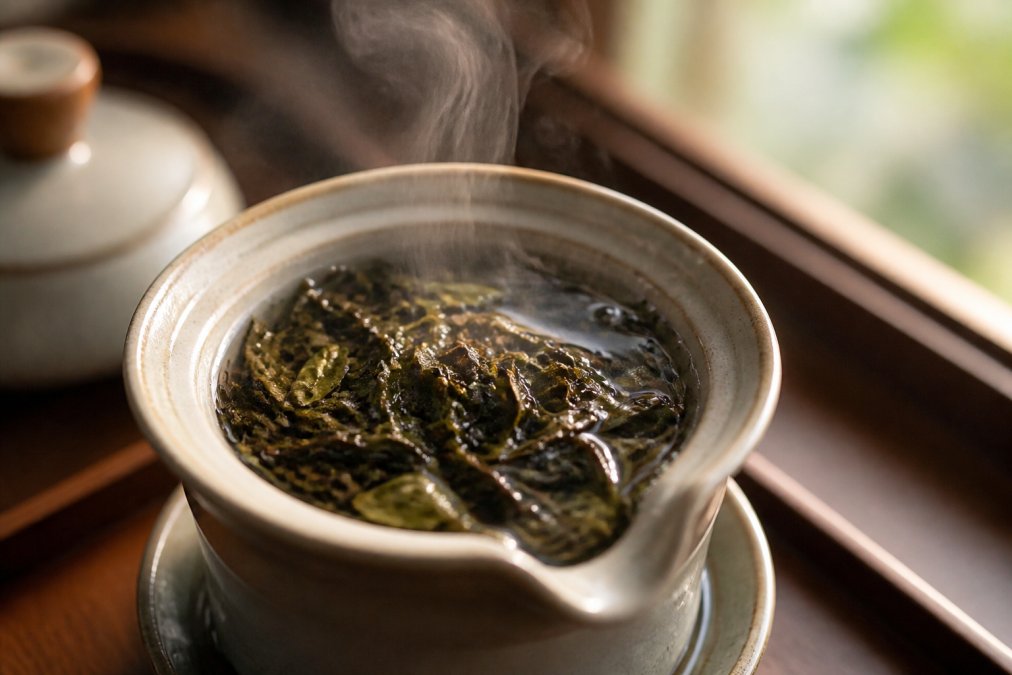
Building a tea collection means choosing brands that deliver consistency, transparency, and genuine flavor.
1. Earl Grey: Classic Elegance and Bergamot Aroma
Earl Grey combines Ceylon black tea, bergamot essential oil, and blue cornflowers to create a sophisticated cup. Beverly Blend's Earl Grey ($20.99) uses hand-selected Ceylon leaves paired with real bergamot oil, delivering the floral and citrus notes that make this blend timeless.
The key to great Earl Grey is balance. Too much bergamot becomes soapy; too little and you lose the signature character. Artisan versions get this right because they're blended in smaller batches where quality control matters.
Brew Earl Grey with water at 195-205°F and steep for 5-10 minutes. This temperature extracts full flavor from the black tea while allowing bergamot to shine. Most Earl Grey blends handle 2-3 quality steepings.
2. Jasmine: Hand-Paired Blossoms and Green Tea
Jasmine tea pairs fresh jasmine blossoms directly with green tea leaves rather than adding flavoring oils. Beverly Blend's Jasmine ($20.99) uses hand-plucked blossoms paired with green tea at peak quality, creating a medium-bodied cup with fruity, floral notes that evolve beautifully across multiple steepings.

The pairing process is an art. Green tea is processed, then combined with jasmine blossoms at exactly the right time to create harmony rather than competition. This attention to timing separates artisan jasmine from commodity versions.
Use water around 160-180°F and steep for 3-5 minutes on the first infusion, then 30-45 seconds for subsequent steepings. Jasmine actually improves with multiple infusions as the leaves continue to unfold.
3. Masala Chai: Bold Spice and Full Body
Masala Chai combines black tea with cinnamon, cardamom, clove, ginger, and other warming spices to create an intense, aromatic cup. Beverly Blend's Masala Chai ($20.99) delivers the full-bodied character and bold spice profile that defines authentic chai.
Each spice should contribute distinct flavor without any single note dominating. This requires careful sourcing of fresh spices and precise blending ratios. Traditional preparation involves simmering with milk and sweetener, which mellows the spices and creates a creamy beverage. Use water at 200-212°F and steep for 5-7 minutes.
4. Moroccan Mint: Versatile and Refreshing
Moroccan Mint combines gunpowder green tea with fresh mint in Beverly Blend's version ($20.99), creating a smooth, vibrant blend equally refreshing served hot or iced. The green tea provides a gentle base while mint adds brightness and lingering coolness.
The balance between tea and herb is crucial. Artisan versions nail this because both components shine independently while creating something greater together. Use water around 160-180°F and steep for 4-5 minutes. For iced tea, cold brew overnight or pour hot tea over ice immediately.
5. Matcha: Mindful Preparation and Lingering Notes
Matcha is powdered green tea from Japan that requires specific preparation and offers a unique sensory experience. Beverly Blend's Matcha ($22.99) is refined and crafted for traditional preparation using a bamboo whisk, creating a frothy, vibrant cup that encourages mindful ritual.
Matcha's preparation is part of its value. Unlike steeped tea, matcha involves whisking powder into hot water to create an emulsion, taking 60-90 seconds and demanding your full attention. The whole-leaf powder means you consume the entire tea plant, delivering maximum nutrition and flavor intensity.
Prepare matcha with water around 160-170°F. Too hot and it becomes bitter; too cool and it won't whisk properly. The result should be a bright green, frothy beverage.
6. Hojicha: Roasted Comfort in Every Cup
Hojicha is roasted green tea, which transforms the leaves' grassy character into something warmer and more comforting. Beverly Blend's Hojicha ($20.99) is a stone-milled powder that brews into a smooth cup perfect for evening enjoyment since roasting removes most caffeine.
This makes hojicha ideal as an evening tea, delivering ritual and warmth without caffeine jolt. The flavor is sophisticated enough to enjoy alone but also pairs well with desserts. Prepare with water around 160-180°F and steep for 3-5 minutes. Because it's already roasted, higher temperatures won't make it bitter.
7. Herbal Alternatives: Hibiscus Berry and Apple Cider Rooibos
Beverly Blend's herbal options deliver flavor complexity without caffeine. Hibiscus Berry Tea ($20.99) combines organic hibiscus flowers, rosehips, and berry flavors to create a tart, fruity cup equally refreshing hot or cold. Apple Cider Rooibos ($20.99) uses rooibos blended with cinnamon, orange peel, and warming spices to create a naturally caffeine-free alternative.
Herbal blends offer freedom in preparation. Since there's no true tea leaf involved, steeping times are forgiving. Boiling water works fine for most herbal blends. Hibiscus Berry works beautifully cold-brewed overnight, while Apple Cider Rooibos shines as a hot evening beverage.
How to Make Iced Tea for Summer
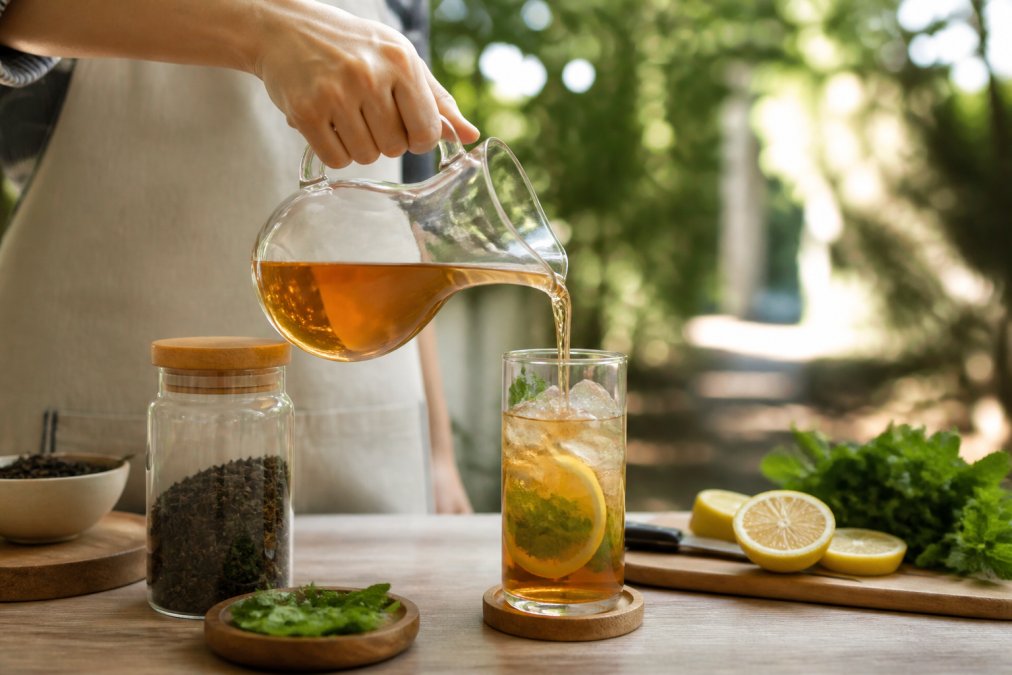
Cold Brew Method (overnight, maximum flavor): Use 1 ounce of loose leaf tea per 12 ounces of cold water. Place tea in a glass jar, add cold water, and refrigerate overnight (8-12 hours). Strain and pour over ice. Cold brewing extracts flavor slowly and gently, creating a smooth, less astringent cup that's naturally sweet with bright, clean flavor.
Hot Brew Method (quick, versatile): Brew tea hot using your preferred steeping time and temperature, then immediately pour over ice. This method extracts flavor quickly and works well for bolder teas like Earl Grey or Masala Chai, preserving brightness and preventing over-extraction.

Flavor Enhancement: Add fresh mint, citrus slices, or stone fruit during brewing or serving. For cold brew, add elements directly to the jar for subtle infusion. For hot brew, add them to the ice before pouring hot tea. Avoid adding sweetener while hot unless you prefer it dissolved; cold tea requires more sweetener to taste equally sweet.
Water Quality Matters: Hard water with high mineral content can muddy delicate flavors and create cloudiness in iced tea. If your tap water is hard, consider using filtered water for brewing.
Steeping Techniques and Water Temperature
Steeping is where most people struggle with tea. Time and temperature dramatically affect outcome.
Water Temperature Fundamentals: Black teas thrive at 200-212°F (boiling). Green teas need 160-180°F to preserve delicate flavors. White teas prefer 140-160°F. Oolong teas fall in the middle at 180-200°F. Herbal infusions are forgiving; boiling water works for nearly everything.
Hot water opens leaf cells faster and extracts flavor compounds more aggressively. Too hot and you pull out unwanted compounds that create bitterness. Too cool and the leaves never fully open, leaving weak, underdeveloped flavor. Getting this right is the single biggest improvement you can make to your daily tea.
Steeping Time Adjustments: Start with the recommended time for your specific tea, then adjust based on results. If your tea tastes weak, increase steeping time by 30 seconds rather than using hotter water. If your tea tastes bitter, reduce temperature rather than time.
Most quality loose leaf teas handle multiple infusions beautifully. The first steep is strongest. Subsequent steeps use shorter times (30-45 seconds) and can sometimes use slightly hotter water since the leaves are already partially opened. This means one serving of premium artisan tea can deliver 3-5 cups of enjoyable flavor.
Sourcing, Sustainability, and Organic Certification
Artisan tea brands distinguish themselves through transparency about where tea comes from and how it's produced. Single-origin teas tell you exactly what you're getting. A Darjeeling tea comes from the Darjeeling region of India; a Sencha comes from Japan. This specificity allows you to explore terroir, the way soil, climate, and altitude influence flavor.
Organic certification indicates tea was grown without synthetic pesticides or fertilizers. Fair trade certification ensures tea farmers received fair compensation. These certifications matter if ethical sourcing is important to your purchasing decisions.
Beverly Blend prioritizes sourcing practices that support tea gardens and communities, ensuring your purchase contributes to long-term viability of the tea industry. Ask your tea brand directly about sourcing practices. Artisan brands welcome these questions because transparency is part of their value proposition.
Health Benefits and Daily Tea Rituals
Tea offers genuine health benefits beyond caffeine and comfort. Black and green teas contain antioxidants that support overall wellness (peer-reviewed research). Herbal infusions like rooibos and hibiscus deliver specific compounds associated with various health benefits. However, tea's greatest benefit might be the ritual itself, the intentional pause in your day, the sensory experience, the warmth in your hands.
Building a daily tea ritual creates structure and mindfulness in your routine. Whether it's a morning cup of Earl Grey, a midday Matcha ceremony, or an evening Hojicha, these moments become anchors that calm and focus your day.
Different teas serve different purposes. Morning teas like Earl Grey or Masala Chai provide gentle energy and ritual. Afternoon teas like Jasmine or Moroccan Mint offer refreshment without overwhelming caffeine. Evening teas like Hojicha or herbal blends support relaxation. Building a collection allows you to match tea to moment rather than drinking the same thing all day.
A cup of exceptional tea that you savor slowly delivers more value than a mediocre cup consumed mindlessly. This is why artisan tea brands matter, they make the experience worthy of your attention.
Conclusion
Choosing artisan tea brands transforms tea from a utilitarian beverage into a genuine daily ritual. The difference between grocery store tea and artisan loose leaf is immediately apparent in flavor, aroma, and the satisfaction of multiple quality infusions. Beverly Blend's collection, from classic Earl Grey to specialty Matcha, represents this commitment to quality and intentionality. Each blend is sourced with care, prepared with precision, and designed to elevate your morning, workday, or evening moments. Start with one blend that matches your preference, then expand your collection as you discover what resonates. Quality tea isn't a luxury; it's an investment in moments that matter.
Frequently Asked Questions
What's the difference between artisan tea brands and grocery store tea?
Artisan tea brands prioritize loose leaf whole-leaf teas sourced directly from tea gardens, while grocery store options typically use broken leaves and dust in tea bags. Artisan teas deliver stronger flavor profiles, allow multiple steepings, and often feature single-origin or handcrafted blends. Beverly Blend's loose leaf selections, like Jasmine ($20.99) and Earl Grey ($20.99), showcase the sensory complexity that mass-produced tea bags cannot match due to their superior leaf quality and careful blending practices.
How do I choose the best loose leaf tea brands for daily enjoyment?
Look for brands that emphasize sourcing transparency, offer whole leaf teas, and provide clear tasting notes and brewing instructions. Check for organic certification and fair trade practices. Consider your flavor preferences: prefer bold morning teas like English Breakfast, or lighter options like Moroccan Mint? Premium artisan brands like Beverly Blend publish their terroir, harvest season, and blending philosophy so you understand exactly what you're purchasing for your daily ritual.
Can I make iced tea for summer with loose leaf artisan tea?
Yes, loose leaf artisan teas excel as cold brew. Brew stronger than usual (use more leaves) with hot water, then chill, or cold-brew overnight in room-temperature water. Fruity blends like Mango Treat ($20.99) and Moroccan Mint ($20.99) become incredibly refreshing iced. Cold steeping brings out natural sweetness and smooths out astringency. Most artisan teas support multiple steepings, making them economical for batch iced tea preparation throughout summer.
What health benefits does drinking artisan tea daily provide?
Loose leaf artisan teas retain more antioxidants and beneficial compounds than broken tea bag leaves. Black teas like English Breakfast support heart health, while green teas like Jasmine and Matcha provide sustained energy and antioxidant support. Herbal alternatives like Apple Cider Rooibos ($20.99) offer caffeine-free wellness benefits. Daily tea rituals also support mindfulness and stress reduction. Consult healthcare providers about specific health claims, but quality loose leaf tea forms a nourishing part of everyday wellness routines.
How important is organic certification when choosing artisan tea?
Organic certification signals that tea was grown without synthetic pesticides and meets strict environmental standards. For daily consumption, organic certification provides peace of mind about what enters your body. However, fair trade and single-origin sourcing matter equally, they ensure ethical labor practices and traceability. Beverly Blend emphasizes sourcing integrity across its collection, including organic options like Hibiscus Berry Tea ($20.99), so you know your daily tea supports both quality and responsible farming.
This article was written using GrandRanker