

Benefits of Drinking Single Origin Coffee
Table of Contents
- What Single Origin Coffee Actually Means
- The Flavor Benefits of Single Origin Coffee
- Single Origin vs Blend Coffee: Which One Is Right for You?
- Ethical Sourcing in Coffee and Why It Matters
- Health Benefits: Antioxidants, Caffeine, and More
- How to Brew Single Origin Coffee for the Best Results
- How to Train Your Palate to Taste the Difference
- Conclusion
Last Updated: August 14, 2026
What Single Origin Coffee Actually Means
Single origin coffee is coffee sourced from one specific geographic location, a single country, region, farm, estate, or micro-lot, rather than blended from beans grown across multiple regions. This simple definition has profound implications for flavor, traceability, and farmer relationships.
At Beverly Blend, we source single origin beans directly from smallholder farmers and cooperatives across more than ten growing regions, from the volcanic highlands of Bali to the Sidama zone of Ethiopia. The goal is to let the character of a single place come through in your cup, undiluted and unmistakable.
The specialty coffee world uses the term loosely. A "country origin" coffee tells you the nation. A "regional origin" narrows it to a growing zone. A "micro-lot" goes down to a specific plot on a single farm. The smaller the lot, the more distinctive the cup and the more accountability exists at every step of the supply chain. Single origin is not just a marketing label, it is a set of commitments to flavor transparency, ethical sourcing, and the farmers whose land and labor produce the coffee.
The Flavor Benefits of Single Origin Coffee
The most immediate reason to drink single origin coffee is flavor clarity. Because the beans come from one place, the cup reflects that place, its soil, altitude, climate, and processing method. Nothing is averaged out or corrected by blending.
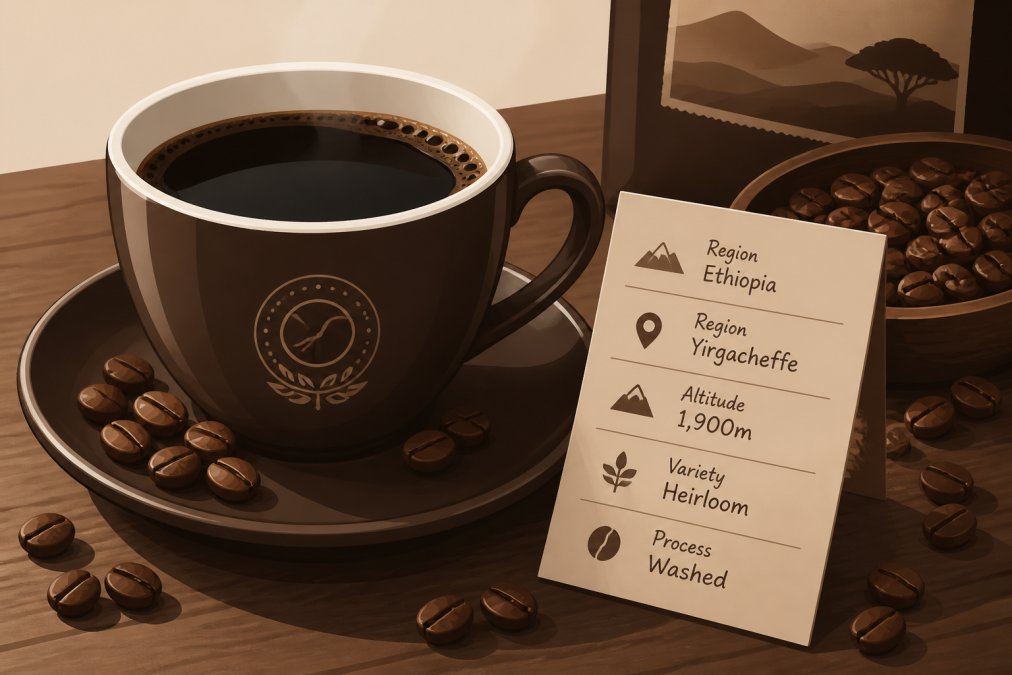
This clarity is why specialty coffee professionals use single origin beans for cupping sessions, the standardized tasting process used to evaluate quality. When you remove the variable of blending, you can taste what a coffee region actually produces. You can compare a washed Colombian with dried orange and berry notes against a natural-processed Ethiopian with milk chocolate and caramel character.
How Terroir Shapes Every Cup
Terroir describes how geography shapes flavor. In coffee, terroir encompasses altitude, soil type, rainfall patterns, temperature swings, and the specific arabica cultivar planted. Each variable contributes volatile compounds that express as acidity, body, sweetness, or specific tasting notes.
Beverly Blend's Ethiopia Natural is grown at 1,700-1,900 meters in the Sidama zone on nitisol soils. That altitude slows the coffee cherry's development, concentrating sugars and acids. The full natural process, where the cherry dries around the bean for weeks on raised beds, amplifies fruity, caramel character. The result is a cup that tastes like milk chocolate and ripe fruit because of where and how it was grown.

Compare that to the Bali Blue, grown on volcanic loam at 1,200-1,600 meters in Kintamani, wet-hulled and dried on raised beds. The wet-hull process removes the parchment layer while the bean still has moisture, producing a distinctive earthy body with dark chocolate and molasses depth. Same arabica species. Completely different sensory experience.
Processing Methods and Flavor Clarity
The processing method is where terroir meets human craft. Three main methods shape flavor dramatically:
- Washed process: The coffee cherry is removed before drying, resulting in a cleaner, brighter cup with higher perceived acidity and more transparent flavor.
- Natural process: The whole cherry dries around the bean for weeks. Fruit sugars ferment into the bean, producing heavier body, lower acidity, and intensely fruity or wine-like notes.
- Honey process: A middle path where some fruit pulp is left on the bean during drying, contributing sweet apple and raisin character.
Understanding processing methods is the fastest shortcut to predicting how a single origin coffee will taste before you brew it.
Single Origin vs Blend Coffee: Which One Is Right for You?
Blends are designed for consistency. A skilled roaster combines beans from multiple origins to hit a reliable flavor target across harvest seasons. This is why espresso blends dominate commercial settings, predictability matters when pulling hundreds of shots a day.
Single origin coffees are seasonal and variable by design. The harvest season determines availability, and the flavor profile shifts year to year based on growing conditions. That variability is a feature for enthusiasts who want to track how a region changes, but it can feel inconsistent to someone who just wants the same cup every morning.
| Factor | Single Origin | Blend |
|---|---|---|
| Flavor character | Distinct, region-specific | Balanced, consistent |
| Traceability | High, farm or region level | Low, multiple unnamed sources |
| Seasonal availability | Yes, harvest-dependent | Year-round |
| Best for | Exploration, tasting, pour-over | Espresso, daily consistency |
| Ethical sourcing clarity | Easier to verify | Harder to verify |
| Price point | Often higher per bag | Often lower |
A well-crafted blend can be exceptional. The real advantage of single origin is transparency: you know exactly where your coffee came from, who grew it, and how it was processed.
Ethical Sourcing in Coffee and Why It Matters
Most coffee drinkers have no idea how far their beans traveled or who was paid along the way. Single origin coffee changes that by making the supply chain legible. When a bag names a specific farm, cooperative, or growing region, it creates accountability. The roaster has to know who they bought from, the importer has to document the chain of custody, and the farmer has a face and name attached to the product.
The Economic Reality of the Supply Chain
The conventional commodity coffee market pays farmers based on the C-market price, a global benchmark that has historically kept producer prices low and volatile. Many smallholder farmers receive a fraction of what the final bag sells for, with the majority of margin captured by intermediaries, exporters, and retailers.
Direct trade and fair trade models attempt to correct this. Direct trade means the roaster buys directly from the farm or cooperative, cutting out intermediaries and paying a negotiated premium above commodity price. Fair trade certification, governed in the US by organizations like Fair Trade USA's certification standards, sets minimum floor prices and social premiums that flow back to producer communities.
Single origin sourcing makes both models possible. When Beverly Blend sources from the 1,500 grower-members of Cafe Organics Marcala in Honduras or from small agricultural cooperatives in Chimbu Province, Papua New Guinea, the traceability required to name those growers also creates the accountability needed for ethical pricing.
Health Benefits: Antioxidants, Caffeine, and More
Coffee is one of the most significant sources of antioxidants in the average American diet, according to research published by the Harvard T.H. Chan School of Public Health. The primary antioxidants in coffee are chlorogenic acids, which are associated with reduced oxidative stress and inflammation.
Single origin coffee gives you more control over the variables that affect antioxidant content. Roast level is the biggest one. Lighter roasts retain more chlorogenic acids because heat degrades them during roasting. A med-light single origin, like Beverly Blend's Ethiopia Natural, preserves more of these compounds than a dark roast.
Caffeine content also varies by origin and roast, though darker roasts do not have significantly more caffeine than lighter ones. What does vary is the body's perception of caffeine intensity, influenced by the cup's acidity and bitterness. Specialty coffee research has connected regular consumption to reduced risk of type 2 diabetes and liver disease. The National Institutes of Health's coffee research overview provides a useful summary of current evidence. The ability to control roast level and processing method with single origin gives health-conscious drinkers more precision over what they are consuming.
How to Brew Single Origin Coffee for the Best Results
Single origin coffee rewards careful brewing more than blends do. Because the flavor profile is specific and often delicate, small changes in water temperature, grind size, and brew ratio produce noticeably different results.
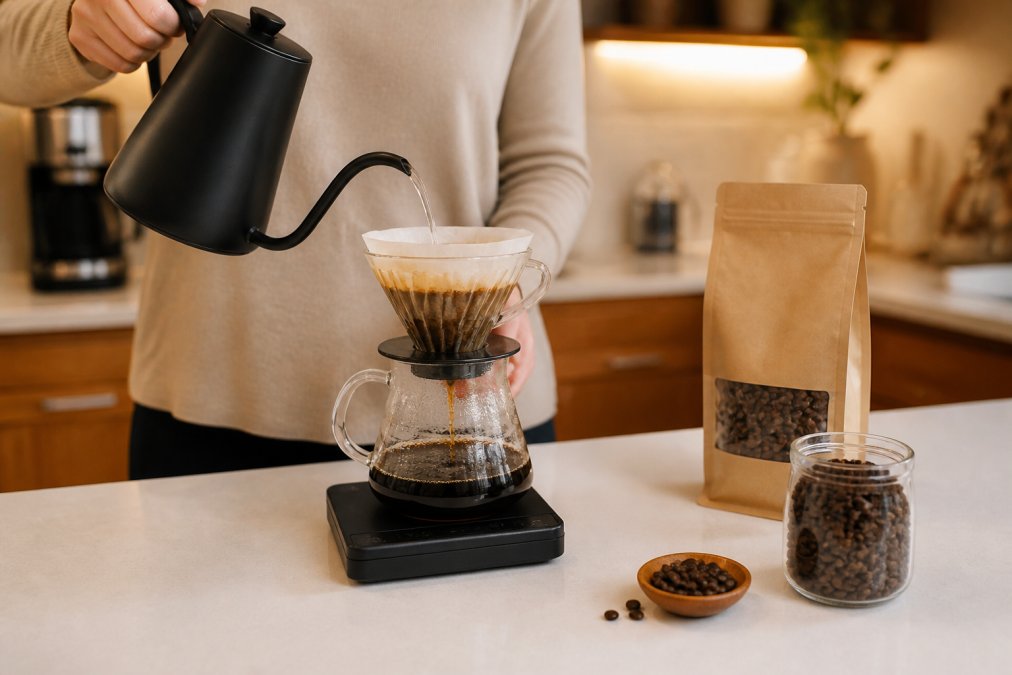
Start with fresh beans. Single origin coffee is at peak flavor within two to four weeks of roast date. Beverly Blend roasts to order specifically to address this, so beans ship close to roast date and the flavor you read on the label is the flavor you actually taste.
Matching Brew Method to Roast Level
The roast level of your single origin bean should guide your brew method choice:
- Light to medium-light roasts (Ethiopia Natural, Colombia): Best with pour-over methods like a V60 or Chemex. Water temperature around 200-205°F works well.
- Medium roasts (Brazil Santos, Costa Rica, Guatemala, Nicaragua, Mexico, Papua New Guinea): Versatile with pour-over, Aeropress, or drip. The Aeropress at 195-200°F can round out acidity and emphasize body.
- Medium-dark to dark roasts (Bali Blue, Honduras): Better suited to French press or espresso. The full immersion of a French press suits heavier body coffees.
Storage and Freshness: Getting the Most from Every Bag
Freshness is where single origin coffee either shines or disappoints. The enemies are oxygen, moisture, heat, and light, all of which accelerate staling and mute the flavor clarity that makes single origin worth buying.

Store beans in an airtight container away from direct light and heat. Keep beans at room temperature; refrigeration introduces moisture and odor transfer. Buy in quantities you will use within two to three weeks of opening. Avoid pre-ground single origin beans unless you are brewing immediately. Check the roast date, not the "best by" date, a roast date within the past two weeks is your target window.
How to Train Your Palate to Taste the Difference
Most people who say they "can't taste the difference" between coffees have never been given the right conditions to try. Palate training for coffee is not about having a special gift, it is about systematic comparison and attention.
The fastest method is side-by-side tasting. Brew two single origin coffees from different regions using identical methods and ratios. Taste them black, in sequence, at the same temperature. The differences become impossible to ignore when placed next to each other.
Start with contrast. Pair a washed Colombian with a natural Ethiopian. The Colombian will taste brighter and crisper; the Ethiopian will feel heavier and sweeter. Once you can reliably identify that contrast, you are ready to detect subtler differences.

Practical techniques that accelerate sensory development:
- Taste at multiple temperatures. A coffee that tastes bitter hot often reveals sweetness as it cools.
- Use the coffee cherry as a reference point. Understanding that coffee is a fruit reframes what you are tasting for.
- Keep a simple tasting log. Note origin, roast level, process, and three words for what you taste. Patterns emerge quickly.
- Attend a local cupping session. Many specialty roasters offer public cuppings. The structured format is the fastest way to build vocabulary.
As the Specialty Coffee Association's consumer education resources explain, sensory training is a learnable skill, not an innate talent. The gap between a casual coffee drinker and someone who can identify an origin by taste is mostly practice and attention. Your first few single origin experiences may taste like "just coffee," but your brain needs reference points before it can categorize what it is perceiving. Keep tasting, keep comparing, and the clarity arrives.
Choosing the right single origin coffee means navigating a crowded market of vague claims and inconsistent sourcing. Beverly Blend makes that easier with beans roasted to order from named farms and cooperatives across ten growing regions, each with documented altitude, processing method, and grower information. Whether you want the fruity depth of an Ethiopian natural or the clean chocolate notes of a washed Colombian, the sourcing transparency is there to back up every tasting note on the label. Explore Beverly Blend's single origin collection and taste exactly where your coffee comes from.
Frequently Asked Questions
Is single origin coffee healthier than regular blends?
Single origin coffee is not necessarily higher in caffeine or antioxidants than a well-made blend, but its traceability gives you a clearer picture of how it was grown and processed. Beans grown at high altitudes in mineral-rich volcanic soil tend to develop more complex antioxidant compounds. Because single origin coffee is often roasted lighter to preserve terroir-driven flavor, it also retains more of the chlorogenic acids that researchers associate with health benefits.
What makes single origin coffee taste different from a blend?
A blend is designed for consistency, balancing beans from multiple regions so the cup tastes the same year-round. Single origin coffee does the opposite: it preserves the distinct flavor profile of one farm, cooperative, or micro-lot. Altitude, soil type, processing method, and harvest season all shape the final cup. A washed Ethiopian natural process tastes nothing like a honey-processed Costa Rican, even at the same roast level. That flavor clarity is the whole point.
Does single origin coffee have more caffeine?
Caffeine content depends on the arabica variety, roast level, and brew method, not on whether the coffee is single origin or blended. Lighter roasts retain slightly more caffeine by weight than darker roasts. Single origin coffees are often roasted at lighter to medium levels to protect their distinct flavor notes, so they may carry a bit more caffeine than a dark-roasted espresso blend, but the difference is modest and varies by origin.
How do I know if a single origin coffee is actually high quality?
Look for full traceability on the label: the specific region or farm, the altitude, the processing method, and the harvest season. Vague labels that say only 'South American blend' or list no grower information are a red flag. Specialty coffee that scores 80 or above on the Specialty Coffee Association cupping scale qualifies as specialty grade. Freshness matters too: beans roasted to order and shipped quickly will show far more of their intended flavor profile than warehouse-stored grocery store stock.
This article was written using GrandRanker