

Best Roasting Plant Alternatives for Coffee Lovers
Table of Contents
- What Are Roasting Plant Alternatives?
- Benefits of Fresh Roasted Coffee and Caffeine-Free Options
- Top Roasting Plant Alternatives: Flavor Profiles and Brewing Methods
- How to Brew Better Coffee at Home with Alternatives
- Best Roast-to-Order Coffee Subscriptions for Fresh Flavor
- Managing Caffeine Withdrawal When Switching to Alternatives
- Sensory Mapping: Understanding Flavor Profiles in Plant-Based Roasts
- Conclusion
Last Updated: August 18, 2026
What Are Roasting Plant Alternatives?
Roasting plant alternatives are caffeine-free substitutes that mimic the rich, complex flavors of traditional coffee through careful roasting and blending of botanicals, grains, and root vegetables. Unlike instant herbal teas, these alternatives are ground and brewed using the same equipment and rituals as coffee, delivering a full-bodied cup with genuine depth. For coffee lovers seeking to reduce caffeine intake, roasting plant alternatives offer a genuine brewing experience without the jitters or sleep disruption.
What separates quality roasting plant alternatives from weak substitutes is the roasting process itself. Raw chicory root tastes grassy and flat. Roasted chicory develops caramel notes and deeper mouthfeel. This transformation happens with dandelion, barley, rye, and other botanicals, fresh roasting is where flavor is created.
Benefits of Fresh Roasted Coffee and Caffeine-Free Options
Many coffee lovers report clearer afternoon energy levels, fewer headaches, and steadier mood throughout the day when they switch to roasting plant alternatives. The absence of caffeine-induced crashes means no 3 PM energy collapse that leaves you reaching for more stimulants.
Fresh roasted options deliver maximum flavor and aroma because the roasting process is completed just before delivery. Roasted botanicals begin losing volatile compounds the moment they cool. A roasting plant alternative roasted two weeks ago tastes noticeably flatter than one roasted two days ago. This is why roast-to-order models have become the standard for serious enthusiasts.
Fresh-roasted chicory root has complex bitterness similar to coffee's, with underlying sweetness that emerges as it cools. Dandelion blends add floral brightness. Adaptogenic mushrooms like Lion's Mane and Reishi contribute umami depth and subtle earthiness. These flavor layers only develop in properly roasted botanicals.
Top Roasting Plant Alternatives: Flavor Profiles and Brewing Methods
The range of quality roasting plant alternatives has expanded dramatically. Understanding the flavor profile and brewing method for each helps you find the alternative that matches your taste preferences and equipment.
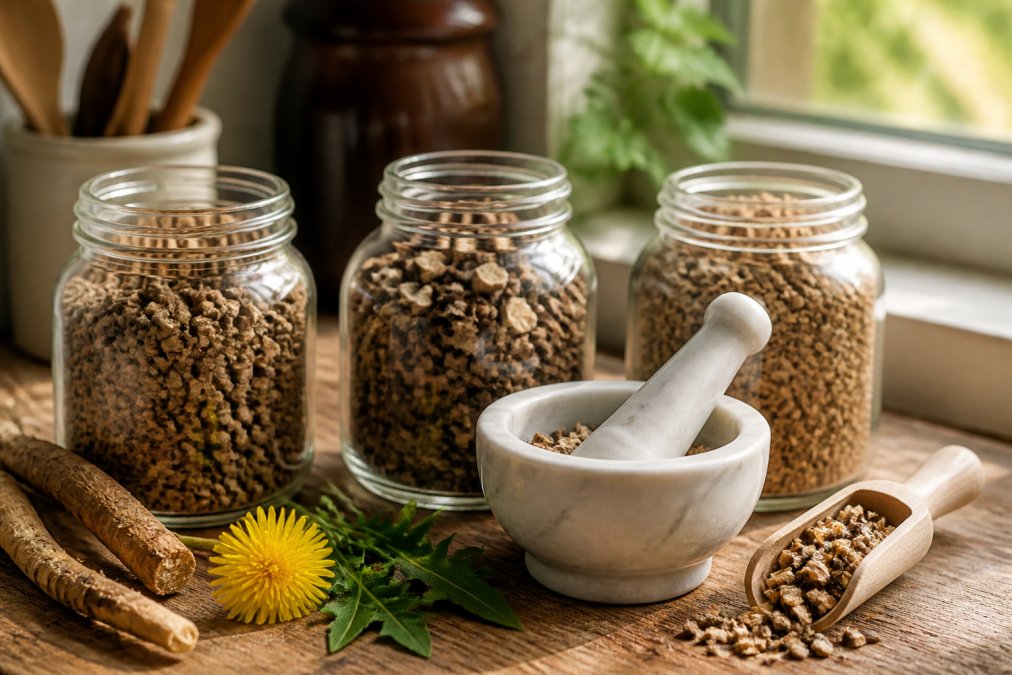
Chicory Root and Dandelion Blends
Chicory root is the foundation of most traditional roasting plant alternatives. Its flavor features pronounced bitterness with caramel undertones and full-bodied mouthfeel that closely mimics coffee. Dandelion root adds complexity, a slightly sweet, earthy character that balances chicory's intensity.
Brewing chicory and dandelion blends requires the same approach as coffee: coarse grounds, hot water, proper extraction time. A French press works exceptionally well because immersion pulls out all roasted notes. Pour-over cones also work, though you may need slightly longer brew times (4-5 minutes instead of coffee's 3-4). The result is a dark, aromatic cup with genuine complexity.
These blends work best for people who want the closest experience to traditional coffee. The flavor is bold enough to stand alone without milk or sweetener, though both complement the earthy notes beautifully.
Roasted Herbal Blends with Adaptogenic Mushrooms
Herbal blends combine roasted botanicals like rooibos, hibiscus, or chamomile with functional mushrooms like Lion's Mane, Cordyceps, and Reishi. The mushrooms add umami depth and subtle earthiness that makes the blend feel more coffee-like than traditional herbal teas.
You get roasted base notes from the botanicals, plus grounding earthiness of mushroom powder. Lion's Mane contributes faint nuttiness. Reishi adds a calming quality. Cordyceps bring subtle sweetness. Brewing works best with a standard drip coffee maker or pour-over method using coarse grounds.
Beverly Blend's Coffee with Mushrooms blends combine specialty-grade coffee with Lion's Mane, Cordyceps, and Reishi, delivering both the familiar coffee experience and functional benefits of mushroom adaptogens.

Barley, Rye, and Grain-Based Roasts
Grain-based roasting plant alternatives offer a different sensory experience. Roasted barley develops toasty, slightly sweet flavor with hints of caramel. Rye adds nuttiness and drier mouthfeel. These grains have been used in coffee substitutes for centuries.
The flavor profile is lighter and brighter than chicory-based blends, without pronounced bitterness. Acidity is lower, making these blends gentler on the stomach. Grain-based roasts work well in all brewing methods and are particularly suited to cold brew because extended steep time extracts toasty notes without over-extraction.
Carob and Sweet Potato Roasts
Roasted carob develops chocolate-like notes with subtle bitterness that approximates coffee's complexity. Sweet potato adds natural sweetness and creamy mouthfeel without added ingredients. Together, they create a cup that feels indulgent without heaviness.
These blends work best in French press, which extracts maximum sweetness and body. Many people add milk or cream to carob-sweet potato blends, which complements the natural sweetness and creates a beverage closer to traditional coffee drinks.
How to Brew Better Coffee at Home with Alternatives
The fundamentals of brewing roasting plant alternatives mirror coffee brewing, but a few adjustments optimize flavor extraction.
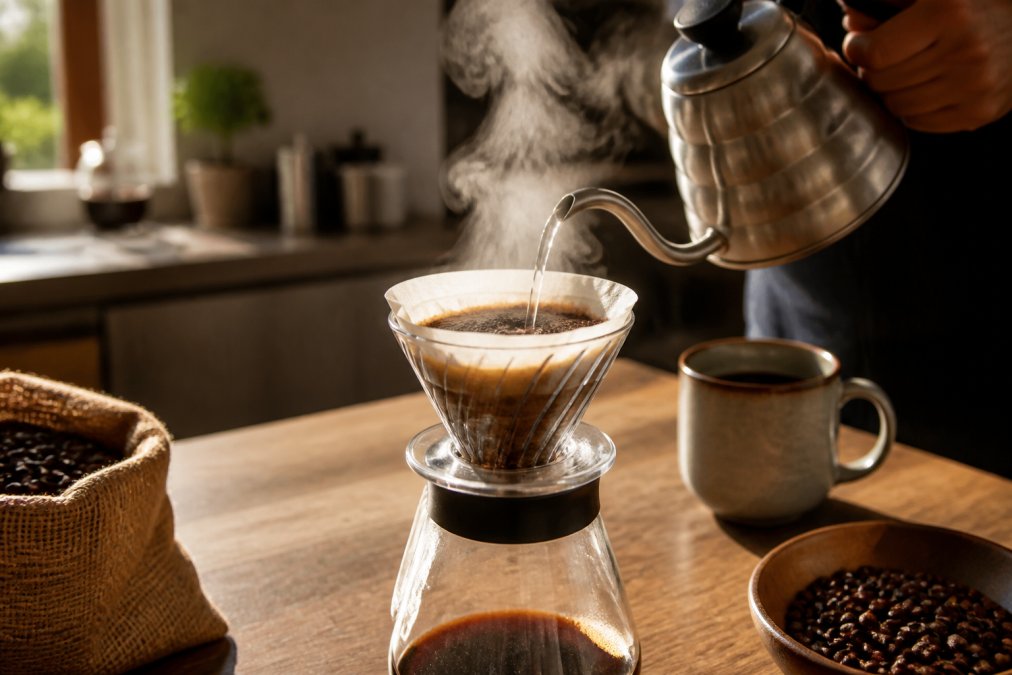
Start with water temperature between 195-205°F. This range extracts flavor compounds without over-extracting bitter elements. Grind size matters significantly: coarser grounds require longer brew times and produce cleaner cups with less sediment. For pour-over, aim for medium-coarse grounds. For French press, use coarse grounds and brew for 4-5 minutes.
Brew time varies by method and grind size. Pour-over typically takes 3-4 minutes. French press requires 4-5 minutes of immersion. Cold brew needs 12-24 hours. Consistency creates repeatable results.

Water quality affects the final cup more than most realize. Filtered water produces cleaner flavor than tap water with heavy mineral content. Many coffee lovers find that roasting plant alternatives require slightly longer brew times than coffee to fully extract their complex flavors, this extends the ritual rather than limiting it.
Best Roast-to-Order Coffee Subscriptions for Fresh Flavor
The roast-to-order model solves a fundamental problem: roasted botanicals and coffee lose flavor rapidly once cooled. Subscriptions that roast immediately before shipping ensure maximum freshness and aromatic intensity when the package arrives.
Quality roast-to-order services share common characteristics: they roast after receiving your order, ship within days, and provide detailed tasting notes for each blend. The best ones offer flexibility, you choose frequency, can adjust or skip shipments, and aren't locked into long-term commitments.
Beverly Blend operates on a roast-to-order model to deliver maximum flavor and aroma. Each order is roasted fresh, then shipped with fast, reliable delivery. The timeline from roasting to arrival is measured in days, not weeks, which preserves volatile compounds that create aromatic intensity and complex flavor.
When evaluating roast-to-order services, look for transparency about roast dates. Also consider sourcing, where the botanicals come from matters for flavor consistency.
Managing Caffeine Withdrawal When Switching to Alternatives
The transition from caffeine to caffeine-free alternatives can trigger a brief adjustment period. Caffeine withdrawal typically manifests as headaches, fatigue, or difficulty concentrating for 3-7 days as your body recalibrates its energy regulation.
A gradual transition reduces withdrawal symptoms significantly. Over 2-3 weeks, gradually increase the ratio of roasting plant alternative to regular coffee. Week one, make your morning cup 75% coffee and 25% alternative. Week two, shift to 50-50. Week three, move to 75% alternative and 25% coffee.
During the transition period, staying hydrated and maintaining consistent sleep helps your body adjust. Many people find that the adjustment period brings unexpected benefits: clearer afternoon energy, better sleep quality, fewer mood fluctuations.
Sensory Mapping: Understanding Flavor Profiles in Plant-Based Roasts
Developing a vocabulary for flavor profiles helps you identify which roasting plant alternatives match your preferences. Bitterness is the most obvious characteristic. Chicory root delivers pronounced bitterness similar to coffee's. Dandelion adds subtle bitterness with underlying sweetness. Barley and rye offer gentle bitterness with toasty notes.
Acidity refers to brightness and sharpness on your palate. Coffee typically has higher acidity than roasting plant alternatives. Grain-based roasts are lower in acidity, creating smoother mouthfeel. If you have stomach sensitivity to coffee's acidity, grain-based or carob alternatives usually feel gentler.
Mouthfeel describes how the liquid feels in your mouth, thin, light, full-bodied, or creamy. French press creates fuller mouthfeel. Pour-over produces cleaner, lighter mouthfeel. Cold brew develops smooth, creamy mouthfeel over extended steeping.
Aromatic intensity varies dramatically between alternatives. Freshly roasted chicory has pronounced aroma. Mushroom blends offer more subtle aroma. Grain-based roasts smell like toasted bread. Creating a simple tasting note system helps you remember preferences and choose alternatives that match your taste.
The shift from traditional coffee to roasting plant alternatives doesn't require sacrificing quality or ritual. It requires finding an alternative that genuinely tastes good and choosing a source that prioritizes freshness. Beverly Blend's roast-to-order model ensures that every cup delivers maximum flavor and aroma, whether you're choosing our Coffee with Mushrooms blends or exploring chicory-dandelion combinations. The morning ritual stays the same. The warmth in your hands, the aroma in your kitchen, the quiet moment before the day starts, all of it remains. You're simply choosing a cup that feels better for your body and your day.
Frequently Asked Questions
What is a roasting plant alternative for coffee lovers?
A roasting plant alternative is a caffeine-free or low-caffeine beverage made from roasted botanicals like chicory root, dandelion, barley, rye, carob, or adaptogenic mushrooms. These alternatives mimic coffee's rich, full-bodied flavor profile through careful roasting and grinding, delivering the same brewing ritual and aromatic intensity without the jitters. Many are ground and brewed identically to traditional coffee, making the transition seamless for coffee enthusiasts seeking to reduce caffeine intake.
How does fresh roasted coffee from a roast-to-order subscription compare to store-bought beans?
Roast-to-order coffee is roasted specifically after you place your order, ensuring maximum freshness and aromatic intensity. Store-bought beans may have been roasted weeks or months before reaching shelves, losing volatile flavor compounds over time. Roast-to-order subscriptions like Beverly Blend preserve the full-bodied character and nutty undertones that fade in aged beans. The difference is especially noticeable in the first two weeks after roasting, when extraction quality peaks and acidity remains balanced.
What are the best roasting plant alternatives for reducing caffeine withdrawal symptoms?
Adaptogenic mushroom blends, chicory root, and barley-based roasts work best for a gradual transition. These alternatives contain earthy notes and full-bodied mouthfeel that satisfy the sensory ritual of coffee drinking while avoiding caffeine dependency. A transition guide suggests mixing 75% traditional coffee with 25% alternative for one week, then 50/50 for the next two weeks, then gradually increasing the alternative ratio. This approach minimizes headaches and fatigue while your body adjusts.
Can I use the same brewing equipment for plant-based alternatives as I do for regular coffee?
Yes, most roasting plant alternatives are compatible with standard coffee brewing equipment including pour-overs, French presses, and automatic drip machines. However, extraction times may vary slightly, chicory root and dandelion typically require 4-5 minutes of contact time versus 3-4 minutes for coffee. Grain-based roasts like barley and rye benefit from slightly hotter water (205-210°F) to fully release their nutty undertones and achieve the desired bitterness level that mimics traditional coffee's character.
This article was written using GrandRanker