

How to Choose the Best Green Tea Variety
Table of Contents
- Start With Your Taste: A Practical Decision Tree
- The Main Types of Green Tea and What Each One Tastes Like
- Japanese vs. Chinese Green Tea: Processing, Flavor, and Which to Pick
- How to Choose Loose-Leaf Green Tea: Quality and Freshness Checks
- Green Tea for Beginners: Mild, Forgiving Starting Points
- Brewing Each Variety: Water Temperature and Steeping Time
- Caffeine, Health Claims, and What the Evidence Actually Says
- Frequently Asked Questions
Last Updated: October 18, 2026
Start With Your Taste: A Practical Decision Tree
The fastest way to choose a green tea variety is to start with the flavor you already enjoy, not the label on the tin. Shoppers can answer three questions first: Do you want grassy and fresh, or toasty and warm? Do you want low caffeine or a gentle lift? Do you want to brew loose leaves or whisk a powder?

Answer Three Questions Before You Buy
Work through this simple decision tree:
- Want a light, grassy cup? Start with sencha or longjing.
- Want something sweet and floral? Try jasmine green tea.
- Want a smooth, rich powder? Go with matcha.
- Want low caffeine and a toasty taste? Pick hojicha.
- Want the mildest, most forgiving cup? Choose bancha.
That is the whole framework. Everything below explains why each answer points where it does.
The Main Types of Green Tea and What Each One Tastes Like
Green tea varieties differ mainly by how the leaves are grown and processed. Japanese teas are usually steamed within hours of picking, which keeps them bright, green, and vegetal. Chinese teas are often pan-fired, which brings out nutty, toasty, and floral notes. That single processing split explains most of the taste differences you will meet, and it is the fastest way to predict what a tea will taste like before you buy it.

Japanese Varieties: Sencha, Gyokuro, Matcha, Hojicha, Bancha
- Sencha: The everyday Japanese green tea, made from leaves steamed and rolled into thin needles. Grassy, fresh, and slightly astringent, with a marine note. It is the most widely produced Japanese green tea and the best all-purpose starting point.
- Gyokuro: Shade-grown for about three weeks before harvest, which raises the amino acid L-theanine and deepens umami. Rich, sweet, and brothy, with low astringency. It is one of the most expensive Japanese styles because yields are small.
- Matcha: Tencha leaves (shade-grown, de-stemmed) stone-ground into a fine powder. You consume the whole leaf, so the flavor is earthy, smooth, and intensely umami. Ceremonial grades are sweeter and brighter; culinary grades are more bitter and cost less.
Chinese Varieties: Longjing (Dragon Well) and Beyond
- Longjing (Dragon Well): The best-known Chinese green tea, pan-fired and pressed flat. Nutty, sweet, and chestnut-like, with a soft finish. West Lake Longjing is the most famous production area.
- Biluochun: A spring-picked tea from Jiangsu, rolled into tight spirals and known for a fruity, floral aroma.
- Huangshan Maofeng: A pan-fired tea from Anhui with a light, orchid-like fragrance and a mellow body.
- Taiping Houkui: Large, flat leaves with a gentle, sweet flavor and low astringency.
Chinese green tea as a group tends to be softer and less grassy than Japanese styles, which makes it a good bridge for coffee drinkers and anyone who finds sencha too vegetal.
Side-by-Side Comparison of the Main Varieties
Use this table to compare origin, processing, flavor, caffeine, and brewing needs in one place. Caffeine figures are approximate ranges for a standard 8-ounce cup and vary with leaf amount and steep time.
| Variety | Origin | Processing | Flavor Profile | Caffeine (approx.) | Brewing Needs |
|---|---|---|---|---|---|
| Sencha | Japan | Steamed, rolled | Grassy, marine, astringent | 20-30 mg | 158-176°F, 1-2 min |
| Gyokuro | Japan | Shade-grown, steamed | Sweet, brothy, umami | 30-40 mg | 122-140°F, 2-3 min |
| Matcha | Japan | Shade-grown, stone-ground | Earthy, smooth, umami | 30-60 mg | 158-176°F, whisked |
| Hojicha | Japan | Roasted | Toasty, nutty, caramel | 5-15 mg | 194°F, 2-3 min |
| Bancha | Japan | Late-harvest, steamed | Mild, earthy | 10-20 mg | 176-194°F, 1-2 min |
| Longjing | China | Pan-fired, flat-pressed | Nutty, sweet, chestnut | 15-25 mg | 167-176°F, 2-3 min |
| Biluochun | China | Pan-fired, rolled | Fruity, floral | 15-25 mg | 167-176°F, 2-3 min |
| Huangshan Maofeng | China | Pan-fired | Orchid, mellow | 15-25 mg | 167-176°F, 2-3 min |
A common pattern is that steamed Japanese teas read brighter and more vegetal, while pan-fired Chinese teas read warmer and sweeter. If you want a single rule of thumb: pick Japanese for a fresh, green bite and Chinese for a soft, nutty cup.
Japanese vs. Chinese Green Tea: Processing, Flavor, and Which to Pick
The clearest way to compare Japanese and Chinese green tea is by processing. Japanese leaves are steamed within hours of picking, which locks in a vivid green color and a fresh, grassy flavor profile.

Which should you pick? If you like bright, vegetal notes and a bit of bite, go Japanese. If you prefer smooth, roasted, or floral tones, lean Chinese. Neither is better.
| Style | Processing | Flavor Profile | Good Starting Point |
|---|---|---|---|
| Japanese (sencha) | Steamed | Grassy, fresh, astringent | Loose-leaf sencha |
| Japanese (matcha) | Shade-grown, stone-ground | Earthy, smooth, umami | Premium matcha powder |
| Chinese (longjing) | Pan-fired | Nutty, sweet, floral | Dragon Well loose-leaf |
How to Choose Loose-Leaf Green Tea: Quality and Freshness Checks
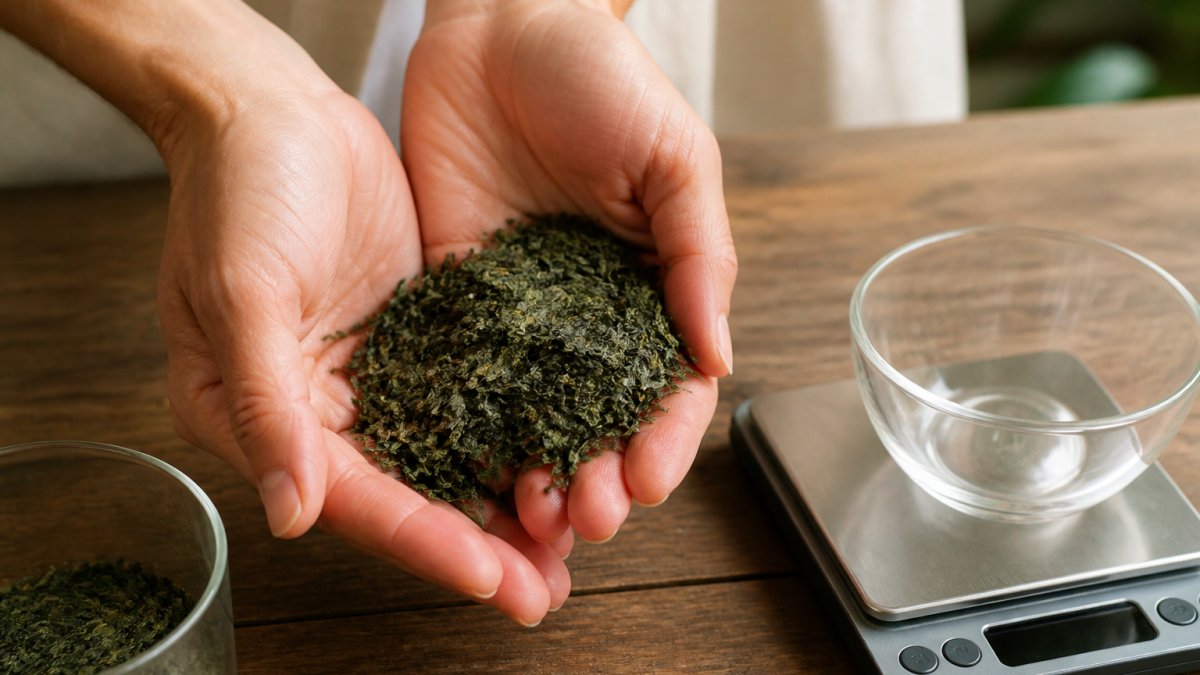
Loose-leaf tea beats tea bags on flavor because whole leaves hold more aroma and steep more evenly. When you shop, check five things: leaf appearance, aroma, harvest date, origin, and packaging. Fresh spring harvest leaves usually taste brighter than older stock, and the difference is easy to spot once you know what to look for.
Reading Leaf Appearance, Aroma, and Harvest Date
- Appearance: Whole, unbroken leaves in an even green. Lots of dust or broken pieces means lower quality or older stock. Flat, pressed leaves signal a pan-fired Chinese style; thin needles signal a steamed Japanese style.
- Aroma: A fresh, grassy, or sweet smell. A flat, papery, or hay-like smell means the tea is old or was stored poorly. If the bag smells like nothing, the cup will taste like nothing.
- Harvest date: Spring harvest (often called first flush) is prized for freshness and sweetness. Buy the newest batch you can find, and prefer packages that print a harvest date rather than only a best-by date.
- Origin: A named region or garden is a better signal than a vague country label. Single-origin teas are easier to trace and usually fresher than blends of unknown leaf.
How to Assess Quality and Freshness When Buying
A practical buying checklist:
- Look for a harvest date, not just a best-by date. Tea does not spoil quickly, but it fades; a harvest date tells you how fresh it actually is.
- Smell before you commit. Loose-leaf shops and sample sizes let you check aroma before buying a large bag.
- Check the leaf for dust and stems. Some stems are normal in hojicha and bancha, but a bag of mostly dust is a sign of low grade.
- Prefer smaller packages if you drink a cup or two a day. A large bag will go stale before you finish it.
- Buy from sellers who store tea away from light and heat. Tea on an open, sunlit shelf is already aging.
A common mistake is buying a big bag of loose-leaf tea and leaving it open on the counter. It goes stale within weeks. Buy smaller amounts and store them well.
Premium Matcha Green Tea – Refined Taste for Daily Rituals →
Storage and Shelf Life After Purchase
- Keep it dark: Store tea in an opaque, airtight container. Light degrades the leaf and dulls the flavor.
- Keep it cool: Heat speeds up staling. A cool cupboard is fine; the refrigerator works only if the container is truly airtight, because tea absorbs odors.
- Keep it dry: Moisture is the enemy. Never store tea next to the stove or above a dishwasher.
- Keep it away from odors: Tea absorbs surrounding smells, so keep it away from coffee, spices, and cleaning supplies.
Green Tea for Beginners: Mild, Forgiving Starting Points
If you are new to green tea, start mild. Bancha and hojicha are the easiest entry points because they turn bitter slowly and taste smooth. Jasmine green tea is another gentle option, with a sweet floral note that hides any astringency.
Once you know what mild tastes like, move toward sencha or matcha. Your palate adjusts quickly.
Brewing Each Variety: Water Temperature and Steeping Time
Each green tea variety wants its own water temperature and steeping time. Delicate teas burn easily, so cooler water protects the flavor. Here is how we would brew each one:
| Variety | Water Temperature | Steeping Time |
|---|---|---|
| Sencha | 70-80°C (158-176°F) | 1-2 minutes |
| Gyokuro | 50-60°C (122-140°F) | 2-3 minutes |
| Matcha | 70-80°C (158-176°F) | Whisk until frothy |
| Hojicha | 90°C (194°F) | 2-3 minutes |
| Longjing | 75-80°C (167-176°F) | 2-3 minutes |
Use filtered water and short steeps. You can re-steep most loose leaves two or three times, and the flavor shifts each round.
Caffeine, Health Claims, and What the Evidence Actually Says
Caffeine levels vary by green tea variety and how you brew it. Matcha and gyokuro tend to carry more caffeine because you consume more of the leaf. Hojicha and bancha sit lower, which makes them a good choice for evenings.
Green tea contains antioxidants called catechins. Many people drink it for general wellness. Treat health claims with context: green tea is a pleasant daily ritual, not a medicine.
For a smooth, rich powder experience, our Premium Matcha Green Tea at $22.99 is made for traditional preparation and daily rituals. Prefer something floral and sweet? Our Jasmine Green Tea at $20.99 offers a smooth, fragrant cup. And if you want low caffeine with a toasty finish, our Roasted Green Tea Powder at $20.99 fits the bill.
Frequently Asked Questions
What is the best green tea variety for beginners?
Start with a mild, forgiving variety rather than a sharp or highly concentrated one. Sencha is the most common everyday Japanese green tea and has a balanced grassy, slightly sweet profile. A jasmine green tea blend is another gentle entry point because the floral aroma softens any bitterness. Avoid starting with gyokuro or matcha if you are unsure about strong umami and vegetal notes, since those flavors are intense and less forgiving of brewing mistakes. Try a small amount of one variety first, then adjust based on what you taste.
How do Japanese and Chinese green teas differ?
The biggest difference is processing. Most Japanese green teas are steamed shortly after harvest, which preserves a bright green leaf and gives a grassy, vegetal, sometimes oceanic flavor. Chinese green teas are typically pan-fired, which produces flat or twisted leaves and a nuttier, toastier, sometimes floral cup. Japanese styles like sencha, gyokuro, and matcha sit at the grassy end; Chinese styles like longjing (Dragon Well) sit at the roasted, chestnut end. Neither is better, and your preference for grassy versus nutty should drive the choice.
Is loose-leaf green tea better than tea bags?
Loose-leaf tea usually gives you more control and better flavor because whole leaves expand freely in the water and release their aromatics more evenly. Tea bags often contain smaller leaf fragments, which can brew faster but turn bitter sooner and offer less nuance. That said, bags are convenient and fine for everyday drinking. If you want to compare varieties seriously, buy loose-leaf in small amounts and use a strainer or infuser so you can adjust leaf quantity, water temperature, and steeping time to your taste.
How can you tell if green tea is high quality?
Look at the leaf first: whole, unbroken leaves with a consistent color suggest careful handling, while lots of dust and stems point to lower grade. Smell the dry leaf, which should be fresh and aromatic rather than flat or papery. Check the harvest date, since green tea fades within months of opening and spring harvest is prized for freshness. Brew a cup and note whether the flavor stays smooth through the finish; harsh bitterness that appears immediately often signals old leaf or water that is too hot.
Choosing a green tea variety comes down to matching flavor to your taste, not chasing the fanciest label. Beverly Blend makes that easy with freshly sourced artisan teas delivered to your door, backed by careful sourcing and fast, reliable fulfillment. Start with a mild cup, learn what you love, and let each order bring a comforting ritual to your day. Get started with Beverly Blend and find your perfect green tea.