

Fresh Roasted Coffee Subscription Benefits
Table of Contents
- What Makes Fresh Roasted Coffee Subscriptions Different
- How Fresh Roasted Coffee Subscriptions Work
- Coffee Subscription vs Grocery Store Coffee: The Real Difference
- Customization and Flavor Profile Selection
- Fresh Roasted Coffee Delivery Frequency and Scheduling
- How to Buy Freshly Roasted Coffee Online
- Storage and Freshness Guarantee
- Cost Savings and Subscription Discounts
Last Updated: August 30, 2026
What Makes Fresh Roasted Coffee Subscriptions Different
Fresh roasted coffee subscriptions deliver beans at peak flavor, roasted days before arrival, a stark contrast to grocery store coffee that's sat in warehouses for months. When coffee ages, volatile compounds that create flavor and aroma escape. A fresh roasted coffee subscription eliminates that lag. Beverly Blend, for example, roasts to order and ships within days.
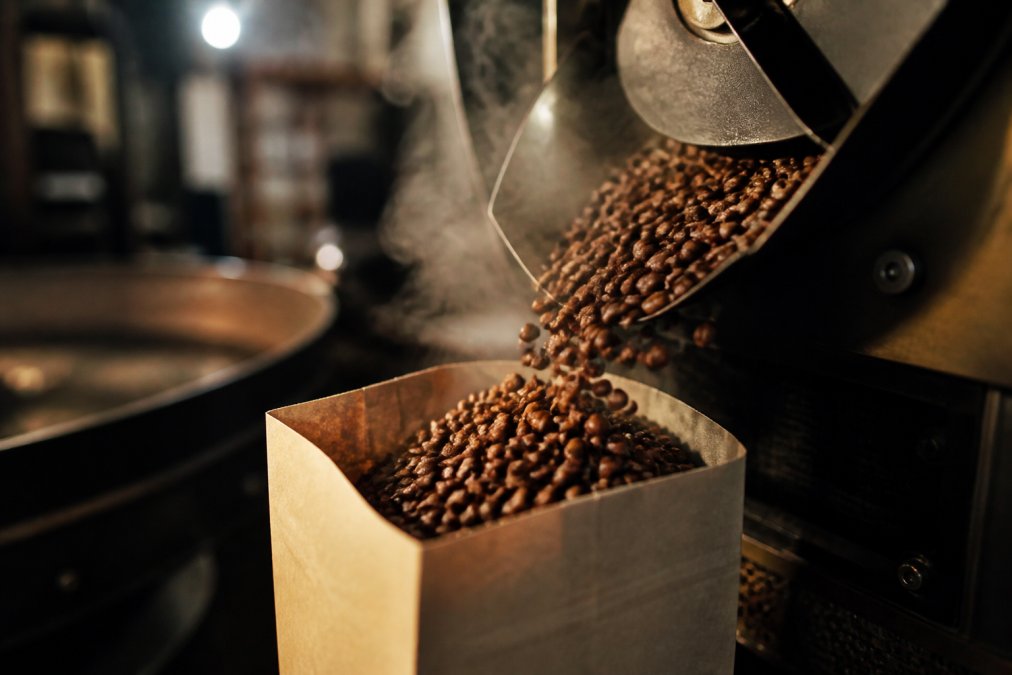
The roast date is everything. Specialty coffee subscriptions print the exact roast date on the bag because coffee peaks between 3-14 days after roasting (peer-reviewed research). Dark roasts stabilize faster; light roasts hit their stride around day 5-7. Grocery store coffee rarely shows a roast date at all.
Customization is another advantage. You choose roast level, flavor profile, and origin instead of accepting whatever the store stocks. Single-origin coffees let you taste terroir, the specific characteristics of where beans grew. One month you might explore Ethiopian beans with fruity notes; the next, a smooth Brazilian with chocolate undertones.

How Fresh Roasted Coffee Subscriptions Work
A fresh roasted coffee subscription starts with you defining preferences, then the roaster handles everything on a recurring schedule. You select roast profile, grind size, and delivery frequency. The roaster roasts your order to specification and ships it within 48-72 hours.
The subscription model removes friction from buying. Instead of remembering to reorder, your coffee arrives on your chosen schedule, weekly, biweekly, or monthly. Most subscriptions let you pause, skip, or adjust orders before each shipment, so you're never locked in.
Roasting to order is the backbone that makes freshness possible. Rather than roasting large batches weeks in advance, subscription roasters roast in smaller quantities timed to your delivery schedule. This keeps inventory minimal and ensures peak freshness, the opposite of mass-market coffee, which prioritizes shelf stability over flavor.
Logistics are simplified. You provide your address and preferences once. The roaster maintains your profile, so reorders are automatic. Shipping is typically flat-rate or included, removing separate fees each time.
| Subscription Stage | Timeline | What Happens |
|---|---|---|
| Order placed | Day 1 | Your preferences trigger roasting queue |
| Roasting | Day 1-2 | Beans roasted to your specifications |
| Packaging | Day 2 | Beans packaged with roast date label |
| Shipping | Day 2-3 | Box ships via USPS, UPS, or FedEx |
| Delivery | Day 3-5 | Coffee arrives at your door |
| Peak flavor window | Day 3-14 after roasting | Optimal brewing window |
Most subscriptions offer flexibility retail can't match. You can adjust roast level, switch between whole bean and pre-ground, or request specific origins. Beverly Blend includes sample packs so you can try multiple profiles before committing to full-size bags.
Coffee Subscription vs Grocery Store Coffee: The Real Difference
Grocery store coffee is commodity coffee, roasted in massive batches, distributed through supply chains, and sitting on shelves. By purchase time, it's lost much of what made it special.
Subscription coffee is specialty coffee roasted in smaller batches by roasters who care about the process. You know exactly where your beans came from, a specific region, altitude, and processing method. Grocery store coffee rarely offers that detail.
The cost difference is real, but so is the quality gap. Grocery store coffee costs $8-12 per pound (usda.gov). Fresh roasted subscriptions typically run $15-20 per pound (bls.gov). That premium reflects specialty-grade beans, small-batch roasting efficiency, and faster shipping. The coffee tastes noticeably better, and you're paying for freshness grocery store coffee doesn't have.
Flavor complexity is where the difference becomes obvious. Grocery store coffee tastes flat and one-dimensional. Fresh roasted coffee has layers, you taste origin characteristics, roast level's influence, and subtle intended notes. A Beverly Blend subscription lets you explore tasting notes like "salted caramel and citrus" rather than just "coffee."
Customization is another gulf. Grocery stores stock whatever their distributor sends. Subscriptions let you choose roast level, origin, grind size, and delivery frequency, matching your coffee to your brewing method rather than adjusting brewing to fit available coffee.
Customization and Flavor Profile Selection
Choosing the right flavor profile is where subscriptions shine. Most roasters provide specific tasting notes: "bright acidity with lemon and berries" or "smooth body with chocolate and caramel." These describe what you'll actually taste.
Roast level affects flavor significantly. Light roasts preserve origin characteristics and acidity, ideal for tasting terroir. Medium roasts balance origin and roast flavors, offering versatility. Dark roasts emphasize body and roast-induced flavors like chocolate and caramel, popular for espresso. Your subscription should let you choose the roast matching your palate.
Single-origin coffees let you explore specific regions. A Peru option might showcase salted caramel and citrus; a Brazil option might offer smooth, chocolatey profiles. Rotating through origins helps you understand how geography, altitude, and processing influence flavor.
Blend subscriptions offer consistency and complexity. A house blend combines beans from multiple origins for a balanced, repeatable cup. Beverly Blend's House Blend blends Central and South American coffees for a smooth, clean cup with nutty, sweet chocolate notes.
Flavored coffees add another dimension. Some subscriptions offer natural flavoring, vanilla, hazelnut, cinnamon, applied to specialty-grade beans. The key difference from grocery store flavored coffee is that subscription flavored coffee starts with quality beans.
Fresh Roasted Coffee Delivery Frequency and Scheduling
Delivery frequency is entirely your choice, and getting this right prevents waste and running out. Most subscriptions offer weekly, biweekly, or monthly options.
Weekly delivery works if you drink a lot of coffee or want maximum freshness. You get small quantities frequently, so every bag is at peak flavor when brewed. This minimizes storage concerns and ensures you never have stale coffee.
Biweekly delivery is the sweet spot for many people. You get enough coffee to avoid running out while maintaining reasonable freshness. If you drink about a pound per week, biweekly delivery means fresh supply arrives before the previous shipment gets stale.
Monthly delivery works if you drink less coffee or have excellent storage. A pound stays fresh for several weeks if stored properly in an airtight container, away from light and heat.
The scheduling flexibility is crucial. Most subscriptions let you adjust frequency, skip a month, or pause entirely without penalty. This prevents subscription fatigue.
Delivery speed matters for freshness. The faster your coffee ships after roasting, the fresher it arrives. Beverly Blend's fast, automated fulfillment means roasting happens quickly after your order, and shipping starts immediately.
| Delivery Frequency | Best For | Freshness Window | Storage Needed |
|---|---|---|---|
| Weekly | Heavy coffee drinkers (2+ cups/day) | Maximum freshness | Minimal (use quickly) |
| Biweekly | Moderate drinkers (1-2 cups/day) | Optimal balance | Standard (airtight container) |
| Monthly | Light drinkers (3-5 cups/week) | Good if stored well | Proper storage essential |
How to Buy Freshly Roasted Coffee Online
Buying a fresh roasted coffee subscription online is straightforward. Start by identifying what you're looking for: Are you exploring specialty coffee for the first time, or are you already an enthusiast? Are you seeking convenience, flavor variety, or both?
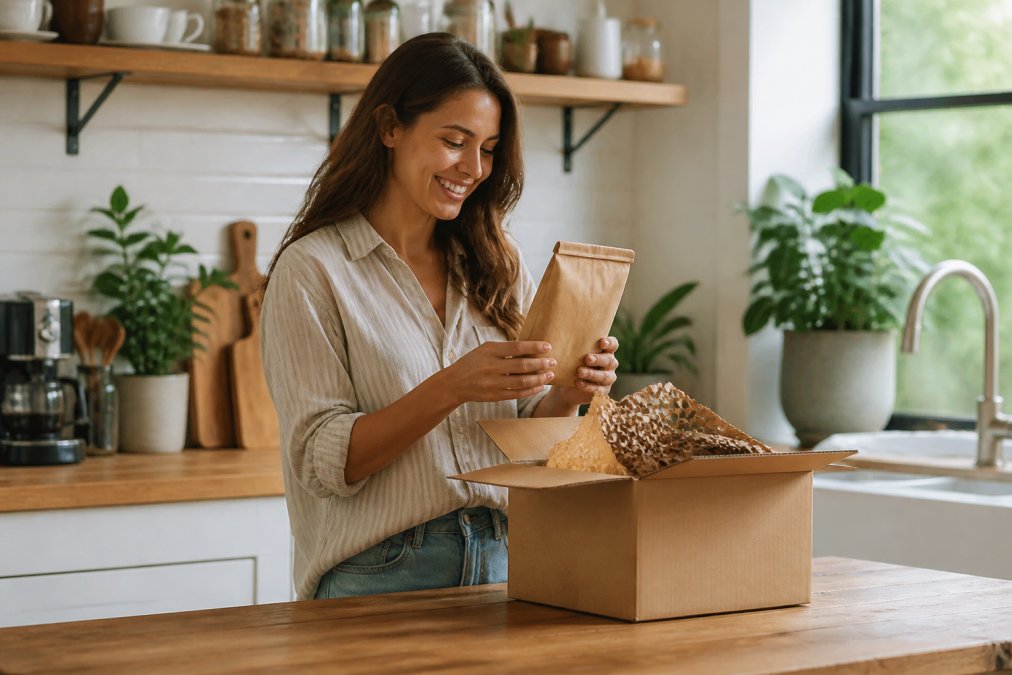
Sample packs are the smart entry point. Rather than committing immediately, most roasters offer sample packs with smaller quantities of multiple roasts or origins. Beverly Blend's Best Sellers Sample Pack ($24.99) includes six 2-ounce packs of different blends and single-origins, letting you taste what resonates before ordering full-size bags.
Once you've identified preferences, set up your subscription. You'll provide shipping address, choose roast level and grind size, select delivery frequency, and authorize recurring charges. Most subscriptions let you manage everything through an online account.
Whole bean vs. pre-ground is a key decision. Whole beans stay fresh longer because you grind right before brewing, capturing all aromatics. Pre-ground is more convenient but stales faster. If you have a grinder, whole bean is better for freshness.
Grind size matters if you choose pre-ground. Different brewing methods need different grinds: coarse for French press, medium for drip, fine for espresso. Whole bean gives you flexibility; pre-ground requires specifying your method.
Evaluate the roaster's transparency. Good subscription roasters provide roast dates, sourcing details, tasting notes, and altitude/processing information. Beverly Blend details grower information, variety, region, altitude, and processing method for each coffee.
Check the cancellation policy before subscribing. The best subscriptions make canceling easy, no questions asked. If a roaster makes cancellation difficult, that's a red flag.
Storage and Freshness Guarantee
How you store coffee after arrival determines how long it stays fresh. Coffee is best 3-14 days after roasting, but proper storage extends that window significantly. The enemies of freshness are oxygen, light, heat, and moisture.
The ideal storage container is airtight, opaque, and kept in a cool place. Glass jars with tight seals work well, as do kraft paper bags if you fold the top and clip it closed. Avoid clear containers that let light in.
Room temperature storage is fine; you don't need a refrigerator. A pantry or cabinet away from direct sunlight and heat sources works perfectly. Consistency matters more than cold.
Most fresh roasted coffee subscriptions guarantee freshness through roast date labeling. If coffee arrives stale or tastes off, you can contact the roaster for replacement. Beverly Blend and similar quality roasters stand behind their product because they know their roasting and shipping process ensures freshness on arrival.
Pre-ground coffee stales faster than whole bean, so consume it within 2 weeks of the roast date for best flavor. Whole bean peaks around day 5-7 but stays good for 3-4 weeks if stored properly.
| Storage Method | Freshness Duration | Best For |
|---|---|---|
| Airtight container, cool pantry | 3-4 weeks | Regular drinkers |
| Original sealed bag, pantry | 2-3 weeks | Short-term use |
| Freezer in airtight container | 2-3 months | Long-term storage |
| Open container, kitchen counter | 1 week | Not recommended |
Cost Savings and Subscription Discounts
Fresh roasted coffee subscriptions typically run $15-20 per pound, compared to $8-12 for grocery store coffee. That premium reflects quality difference, and for many people, it's worth it.
Subscription discounts are common. Many roasters offer 10-15% off recurring subscriptions versus single purchases. Over a year, that discount adds up significantly.
Sample packs offer exceptional value for trying new roasts. Beverly Blend's sample packs cost $24.99 for six 2-ounce bags, roughly $66 per pound if extrapolated. That's higher per-pound than full-size bags, but you're paying for variety and the ability to try before committing.
Comparing total cost of ownership matters more than per-pound price. An $18-per-pound subscription that arrives fresh and tastes excellent delivers better value than $10-per-pound grocery store coffee that tastes flat. You drink less coffee to feel satisfied because it's higher quality, so total spending might be similar or less.
Many subscriptions offer loyalty programs or referral discounts. These reward long-term customers and reduce your effective subscription cost over time.
Cancellation policies affect true cost calculation. The best subscriptions let you cancel anytime without penalty, so you're not locked into a long-term commitment.
A fresh roasted coffee subscription transforms your daily coffee experience by delivering beans at peak flavor, roasted specifically for you, and shipped within days of roasting. The combination of freshness, customization, and convenience creates a ritual grocery store coffee can't match. Beverly Blend's roasted-to-order model, transparent sourcing, and fast delivery exemplify how subscriptions solve the fundamental problem with commodity coffee, staleness. If you're serious about coffee flavor and want a reliable way to explore different origins and roast levels, a subscription is the most practical choice. Start with a sample pack to discover your preferences, then move to a recurring subscription that fits your drinking habits and budget.
Frequently Asked Questions
Is a fresh roasted coffee subscription actually worth it compared to buying at the grocery store?
Yes, if you prioritize flavor and freshness. Fresh roasted coffee subscriptions deliver beans roasted to order, typically within days of your delivery, compared to grocery store coffee that may be weeks or months old. The taste difference is significant: fresher beans retain more aroma and complexity. However, the cost is higher, expect to pay $19.99-$24.99 per shipment versus $5-$10 for store-bought. If you drink quality coffee daily, the investment pays off in superior taste and aroma.
How does a coffee subscription ensure freshness compared to buying locally roasted coffee?
Coffee subscriptions roast to order specifically for your shipment, meaning your beans are roasted just before they leave the roastery. This eliminates the time delay between roasting and your hands. Local roasters may have fresher coffee than grocery stores, but a subscription guarantees the roast date on your bag and controls the entire supply chain. Look for subscriptions that print the roast date clearly, this is your proof of freshness.
Can I customize my coffee subscription based on roast preference and brewing method?
Most quality coffee subscriptions, including those offering specialty blends and single-origin options, allow you to select roast levels (light, medium, dark) and grind size for your brewing method. You can choose whole bean for French press, pre-ground for drip machines, or single-serve capsules for convenience. Some subscriptions also let you skip months or pause delivery if you're not ready to reorder, giving you control over your subscription rhythm.
How often should I receive deliveries to keep my coffee at peak flavor?
Coffee peaks in flavor 1-2 weeks after roasting and stays optimal for about 4 weeks in an airtight container away from heat and light. Most coffee drinkers benefit from monthly or bi-weekly deliveries. If you drink 1-2 cups daily, a monthly shipment works well. For home offices or households with multiple coffee drinkers, bi-weekly or even weekly delivery maintains peak freshness. Many subscriptions let you adjust delivery frequency based on your consumption rate.
This article was written using GrandRanker