

How to Tell if Ground Coffee Has Gone Bad
Table of Contents
- Signs Ground Coffee Is Stale
- How Long Does Ground Coffee Last
- Freshness Versus Safety: Stale Coffee vs. Spoiled Coffee
- Can You Drink Expired Ground Coffee
- How to Store Ground Coffee Properly
- At-Home Freshness Test and Date Label Interpretation
- Frequently Asked Questions
Last Updated: October 4, 2026
Signs Ground Coffee Is Stale
Understanding how to tell if ground coffee has gone bad helps you know when it loses its best qualities after opening. Oxidation degrades the flavor compounds and aroma.
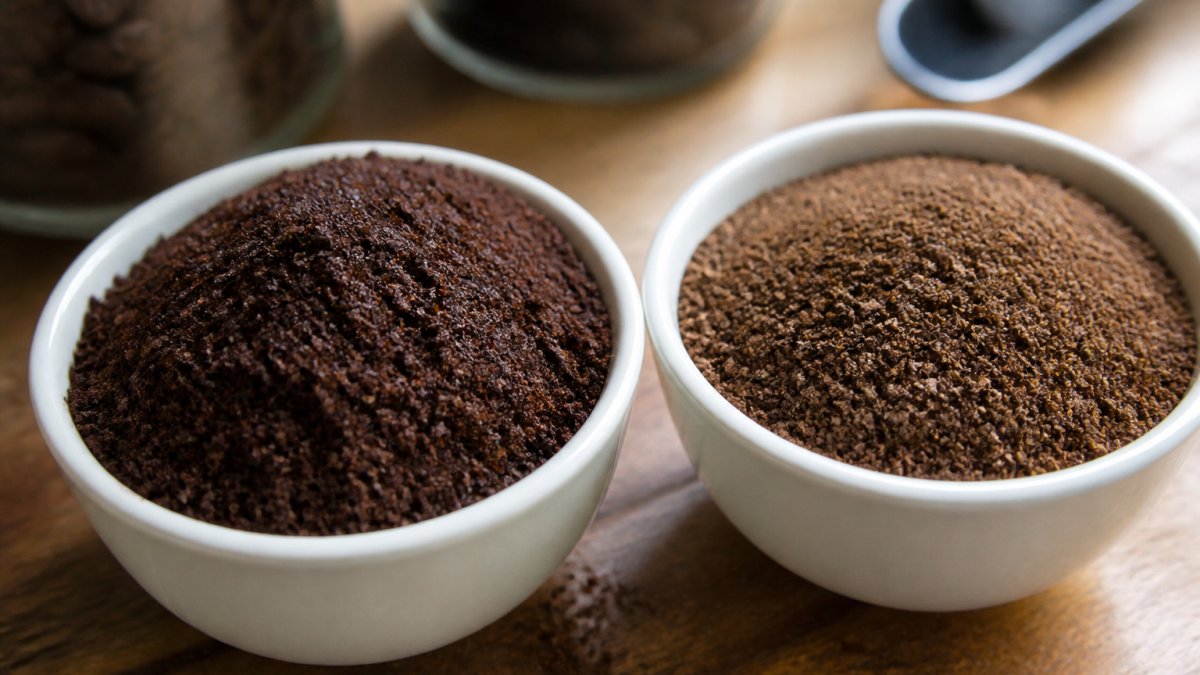
Stale ground coffee is safe to drink but tastes flat. The difference between stale and fresh is dramatic.
Changes in Aroma and Smell
Fresh ground coffee has a rich, complex aroma that signals vibrancy.
Stale coffee smells flat, dull, cardboard-like, or musty. Little to no aroma means the coffee has lost most volatile compounds.
The nose test is your fastest check: fresh coffee announces itself; barely any smell means the grounds have sat too long.
Changes in Taste and Flavor
Stale ground coffee tastes thin, muted, and lacks the complexity of fresh coffee.
Stale grounds taste bitter, burnt, or like ash instead of the intended profile.
Oxygen breaks down flavor compounds; once gone, they cannot be restored.
Changes in Appearance and Color
Fresh ground coffee has a rich, dark color with slight sheen.
Stale grounds look dull, faded, lighter, and grayer, signs of prolonged air exposure.
This color change signals oxidation. Combine the color test with smell and taste checks for clarity.
How Long Does Ground Coffee Last
Ground coffee stays fresh for one to two weeks after opening in an airtight container away from heat and light.
Unopened bags stay fresh for several weeks. The roast date matters more than the expiration date, recently roasted coffee tastes better than older grounds.
Without proper sealing, ground coffee goes stale in days. Air exposure is the primary enemy.
Freshness Versus Safety: Stale Coffee vs. Spoiled Coffee
Stale and spoiled coffee are different: staleness is a quality issue; spoilage is a safety issue.
Stale ground coffee has lost flavor and aroma through oxidation. It tastes flat, muted, or bitter but is safe to drink.
Spoiled ground coffee is contaminated by moisture, mold, insects, or bacteria, a safety issue. Do not drink it.
Most stale coffee is safe; spoilage requires moisture, warmth above 70°F, and time, conditions less common in typical home storage.
Decision Tree: Should You Drink It or Discard It?
Use this checklist in order. Stop at the first "yes" and discard the coffee. If all checks pass, the coffee is safe but may be stale.
1. Visible mold or webbing?
- Look for white, green, or black spots on the grounds or inside the container.
- Check for fine webbing or debris that suggests insect activity.
- If yes: Discard immediately. Mold spreads through grounds even where invisible. Do not attempt to salvage.
2. Sour, fermented, or chemical smell?
- Open the container and take a deliberate sniff.
- Compare to the expected stale-coffee smell (flat, cardboard-like, or absent aroma).
- A sour or vinegar-like smell indicates bacterial fermentation or mold that may not be visible.
- A chemical or solvent-like smell suggests contamination.
- If yes: Discard immediately. These odors indicate microbial activity that poses a health risk.
3. Clumped, wet, or oily grounds?
- Fresh grounds are loose and separate, even if slightly oily from natural oils.
- Moisture clumping means water has entered the container. Clumps that feel damp or sticky indicate active moisture.
- If yes: Discard. Moisture creates conditions for mold and bacterial growth. Even if mold isn't visible yet, it's likely developing.
4. Signs of pest damage?
- Look for small holes in individual grounds, insect fragments, or droppings (tiny dark specks).
- Check the container seal for cracks or gaps.
- If yes: Discard. Insects can carry bacteria and contaminate the entire batch.
If all four checks pass: The coffee is safe. It may be stale (flat flavor, weak aroma, dull color), but it won't make you sick. Proceed to the freshness tests in the next section to decide if you want to brew it.
When Mold Appears and When to Discard
Visible mold is your clearest sign to throw the coffee away. Mold appears as white, green, or black spots on the grounds or inside the container. If you see mold, discard the entire batch immediately.
Mold grows when moisture enters through humidity, condensation, or a compromised seal. Once present, the coffee is unsafe.
Don't salvage moldy coffee. Mold spreads invisibly and produces mycotoxins throughout the batch. Discard entirely.
Moisture, Pests, and Contamination Checks
Moisture clumping: Fresh grounds are loose. Clumped or damp grounds signal moisture intrusion and potential mold. Discard if severe.
Pest damage: Look for holes, webbing, or droppings. Discard if present, insects carry bacteria and compromise safety.
Off-odors: Sour, fermented, vinegar-like, or chemical smells indicate bacterial growth or mold. Discard if present.
Oily or sticky surface: A thin sheen is normal, but sticky or wet grounds signal moisture absorption and mold risk. Discard.
Can You Drink Expired Ground Coffee
Ground coffee doesn't expire suddenly like milk. Quality declines gradually over time.
You can drink ground coffee past its best-by date if it shows no mold or contamination. It won't make you sick but may taste flat.
The roast date matters most. Ground coffee tastes best within a few weeks of roasting; after that, quality drops noticeably.
How to Store Ground Coffee Properly
Storage is critical. The right container, location, and conditions extend freshness significantly.
Best Containers and Sealing Methods
Use an airtight glass or ceramic container. Avoid clear containers; light breaks down flavor compounds.
The container must seal completely. Ziplock bags work if air is pressed out; vacuum-sealed bags are better. The goal is to keep oxygen out.
The original bag works if it has a good resealable seal. Reseal immediately after scooping.
Shelf-life by container type (assuming cool, dark storage):
- Unopened original bag with good seal: 4-6 weeks
- Opened original bag, resealed after each use: 2-3 weeks
- Airtight glass or ceramic container: 3-4 weeks (opened)
- Ziplock bag with air pressed out: 2-3 weeks (opened)
- Vacuum-sealed bag: 4-6 weeks (opened, if resealed after use)
- Original bag left open on counter: 3-5 days
Storage Location and Environmental Factors
Temperature: Heat accelerates staleness by speeding up oxidation. Don't store ground coffee above the stove, near an oven, or near any heat source. Room temperature (around 65-70°F) is ideal. Avoid storing in direct sunlight or in a warm kitchen corner.
Light: Light breaks down the flavor compounds in ground coffee. Keep the container in a dark cabinet or pantry. If you store coffee in a clear container, place it inside an opaque box or cabinet.
Humidity: High humidity is the enemy. Moisture can seep into even sealed containers over time, especially in climates with humidity above 60%.
Pantry storage (typical home conditions): Sealed, unopened ground coffee lasts 4-6 weeks. Opened ground coffee in an airtight container lasts 2-3 weeks. These timelines assume a cool (65-70°F), dark, dry pantry.
Refrigerator storage: Not recommended for most situations. Cold temperatures can cause condensation when you remove the container to scoop grounds, introducing moisture. However, if your home is very humid (above 65% humidity year-round), refrigerator storage may help.
Freezer storage: Freezing slows oxidation and can extend shelf-life to 2-3 months, but it introduces the same condensation risk as the refrigerator. Freeze only if you plan to keep the coffee long-term and can minimize moisture exposure.
Avoid these locations:
- Above or near the stove or oven
- On a sunny windowsill
- In a humid bathroom or near the sink
- In a car or uninsulated garage (temperature fluctuations)
- In a clear container on an open shelf
At-Home Freshness Test and Date Label Interpretation
Learning how to tell if ground coffee has gone bad doesn't require special equipment; your senses are enough. Your senses are enough.
The smell test: Open the container and take a deep breath. Fresh ground coffee has a strong, pleasant aroma. Stale coffee has little to no smell or smells flat and dull.
The color test: Look at the grounds in good light. Fresh grounds are dark and vibrant. Stale grounds look faded and dull.
The taste test: Brew a small amount and taste it. Fresh coffee tastes complex and balanced. Stale coffee tastes thin, bitter, or burnt.
Run all three tests together for the clearest picture. If all three point to staleness, the coffee has been sitting too long.
Understanding Date Labels
The roast date is what matters most. This is when the coffee was roasted. Ground coffee tastes best within 15 days of the roast date. Look for this date on the bag from Beverly Blend or any quality roaster.
The best-by date is less useful. This is an estimate of when the coffee will start to noticeably decline. It's often printed weeks after the roast date. The roast date is more reliable.
The expiration date is the least useful for ground coffee. Coffee doesn't expire like perishable food. It just gets stale. An expiration date tells you almost nothing about actual freshness.
If the bag doesn't show a roast date, ask the seller. A quality roaster will provide this information. If they won't, that's a red flag about freshness.
When you're investing in quality ground coffee, freshness determines whether you get the full experience. The difference between brewing fresh grounds and stale ones is night and day. At Beverly Blend, we roast to order and ship quickly so your coffee arrives at peak freshness. Our roast-to-delivery timeline means you get the flavor and aroma the roaster intended, not what's left after weeks sitting on a shelf.
Frequently Asked Questions
How can you tell if ground coffee has gone bad?
Check for flat or cardboard-like aroma instead of the fresh, rich coffee smell. Taste a small sample, stale coffee tastes dull and bitter. Look for visible mold, moisture clumps, or an oily sheen that wasn't there before. If the coffee smells musty or off, discard it. Fresh ground coffee from Beverly Blend should have vibrant aroma and bold flavor within a few weeks of the roast date.
Can you drink expired ground coffee?
Expired ground coffee is safe to drink if it shows no signs of mold, moisture, or contamination, it loses quality and flavor, not safety. However, if the package is opened and exposed to air for months, or if you see visible mold or smell musty odors, discard it. Most ground coffee stays palatable for a few weeks after opening if stored in an airtight container, but flavor degrades significantly after a short period.
How long does ground coffee last once opened?
Ground coffee lasts a few weeks at peak freshness once the package is opened, though it remains safe for a longer period in an airtight container away from heat, light, and moisture. Flavor and aroma decline noticeably after a short period due to oxidation. For the best experience, brew freshly roasted ground coffee soon after grinding whole beans, or order fresh batches regularly from Beverly Blend to ensure maximum flavor and aroma.
What's the best way to store ground coffee to keep it fresh?
Store ground coffee in an airtight container in a cool, dark cupboard away from heat, light, and moisture. Avoid the refrigerator or freezer unless you plan long-term storage; condensation can introduce moisture. Keep the original sealed bag in an airtight container if unopened. Check the roast date on your Beverly Blend package and use the coffee within a few weeks for optimal flavor. Label containers with the roast date so you know when freshness begins to decline.