

Signs of Oxidized Coffee Beans in Your Pantry
Table of Contents
- What Happens When Coffee Beans Oxidize
- How to Identify Oxidized Coffee Beans by Aroma
- Flavor Changes That Signal Oxidation
- Visual and Physical Signs of Stale Coffee
- How to Store Coffee Beans for Maximum Freshness
- Coffee Bean Shelf Life and When to Replace Them
- Best Coffee Storage Containers to Prevent Oxidation
- What to Do With Oxidized Beans
- Frequently Asked Questions
Last Updated: October 6, 2026
What Happens When Coffee Beans Oxidize
Oxidation is when coffee beans lose flavor and aroma as they're exposed to oxygen.
Coffee is porous. Once roasted, beans release carbon dioxide through degassing. After the CO2 escapes (usually within the first week), oxygen fills those spaces and breaks down flavor compounds.
The timeline matters. Fresh roasted beans peak in flavor between 5-14 days after roasting.
Temperature, light, and moisture speed up oxidation.
How to Identify Oxidized Coffee Beans by Aroma
The smell test is your fastest way to spot oxidation. Fresh beans have a rich, complex aroma with fruity, floral, or chocolatey notes depending on origin.
Here's what to notice:
- Rich vs. flat: Fresh beans burst with fragrance when you open the bag; oxidized beans smell dull and lifeless.
- Sweet notes disappear: Fruity or chocolate aromas fade, leaving a thin smell.
- Stale odor develops: Some oxidized beans smell musty or cardboard-like.
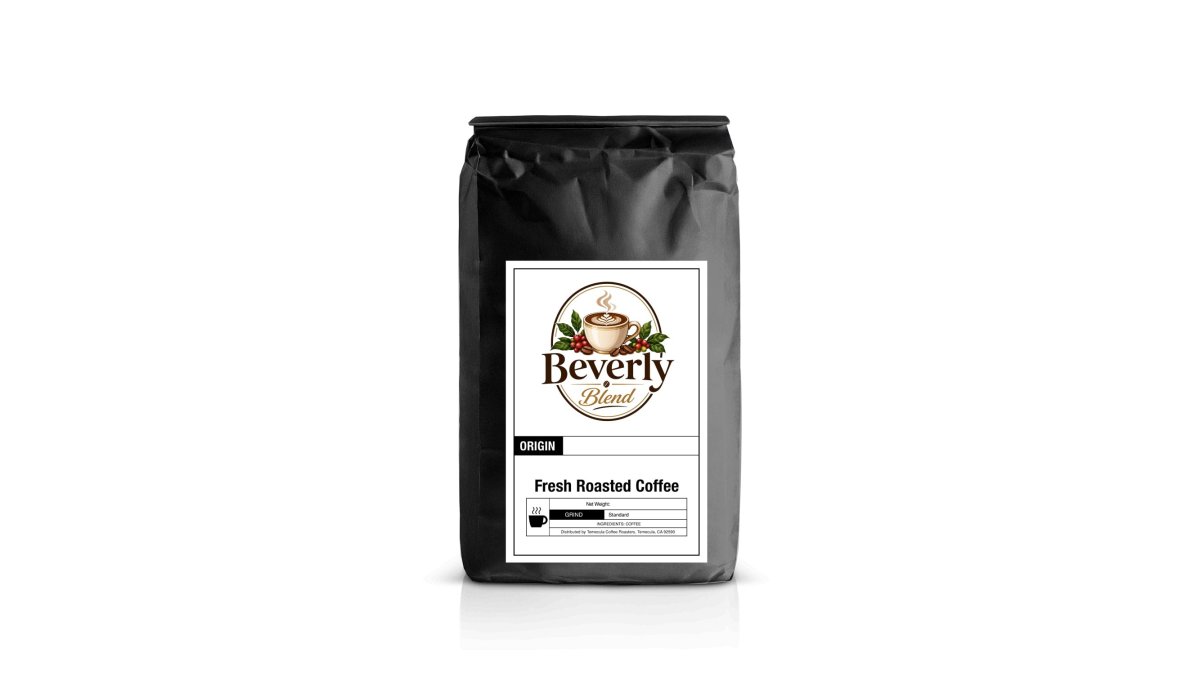
Open your bag and take a strong sniff. Fresh beans from Beverly Blend's House Blend or Brazil Santos fill your nose immediately with their smooth, cocoa-forward aroma.

One insider tip: oxidation happens faster in ground coffee than whole beans.
Flavor Changes That Signal Oxidation
When you brew oxidized beans, the cup becomes flat and one-note, losing the depth that makes specialty coffee worth drinking.
Watch for these flavor shifts:
- Bitterness without balance: Fresh coffee balances bitter notes with acidity and sweetness; oxidized beans taste harshly bitter with no sweet undertones.
- Loss of origin character: A Brazil Santos should taste smooth with cocoa notes; oxidized versions taste generic and thin.
- Weak extraction: Even with longer brewing or more grounds, the cup stays weak and watery.
- Sharp, unpleasant taste: Some oxidized beans develop a sharp or slightly rancid edge.
If your morning coffee tastes like it could be any brand from any grocery store, oxidation is the likely culprit.
Visual and Physical Signs of Stale Coffee
Aroma is the fastest signal, but your eyes and hands can confirm what your nose suspects.
Step 1, Check the packaging first. Most quality bags use a one-way degassing valve; a clogged valve or folded-shut bag traps moisture and CO2, accelerating staling.
Step 2, Look at the surface. Fresh roasted beans have a slightly glossy, oily sheen, especially darker roasts.
Step 4, The side-by-side test. This is the most reliable visual check.
Oxidation vs. rancidity vs. mold: know the difference
These three get lumped together, but they mean very different things for whether you should brew the beans.
- Oxidation is flavor degradation: oils and aromatic compounds react with oxygen, producing flat, cardboard-like coffee, unpleasant, but not a health concern.
- Rancidity is a further stage of oil breakdown. Rancid oils smell sharp, paint-like, or like old nuts; the coffee tastes harsh and can upset a sensitive stomach, but it is not a food-safety hazard.
- Mold is a contamination problem, not a freshness problem. Look for fuzzy patches, white or greenish speckling, dark blotches, or a damp, cellar-like smell. Mold can produce mycotoxins and is a genuine reason to discard the beans.
Quick visual reference
| What you see | What it usually means | Action |
|---|---|---|
| Dull, matte surface, faded color | Oxidation underway | Brew and taste; likely flat |
| Pooled or uneven oily residue | Oils breaking down | Brew soon; flavor declining |
| Beans clumped or tacky | Moisture absorption | Inspect closely for mold |
| Small cracks or splits | Repeated moisture cycling | Flavor degraded; check smell |
| Fuzzy patches, speckling, dark blotches | Possible mold | Discard |
| Damp, musty, or ammonia smell | Possible mold or spoilage | Discard |
How to Store Coffee Beans for Maximum Freshness
Storage is everything. The right container and location can keep beans fresh twice as long. The goal is blocking oxygen, light, heat, and moisture.
Your best storage approach:
- Airtight container is non-negotiable: Use a container that seals completely. Resealable bags work if you press out air first; glass jars with rubber gaskets are excellent.
- Keep it cool: Room temperature (around 65-70°F) is ideal. Never store beans above your stove or in direct sunlight.
- Dark location matters: Light breaks down oils, so a dark cabinet beats a clear counter container.
- Avoid the freezer: Freezing introduces moisture when beans thaw.
One common mistake: grinding all your beans at once. Ground coffee oxidizes 5-10 times faster than whole beans because grinding exposes far more surface area to oxygen. Grind just before brewing.
Coffee Bean Shelf Life and When to Replace Them
Fresh roasted coffee peaks between 5-14 days after roasting, the sweet spot for flavor and aroma.
Here's the timeline:
- Days 1-5 after roasting: Beans are still degassing; flavor is developing but not yet optimal.
- Days 5-14: Peak freshness, maximum flavor, aroma, and complexity.
- Weeks 2-4: Still good but noticeably declining as oxidation progresses.
- After 4 weeks: Oxidized coffee beans lose most of their character; still drinkable, but quality drops.
Whole beans last longer than ground coffee: a sealed bag stays acceptable for 3-4 weeks, while ground coffee degrades to unacceptable within 2 weeks.
Check your roast date on the bag. If there's no date, that's a red flag, you don't know how old it is.
Best Coffee Storage Containers to Prevent Oxidation
Not all containers are equal. Some let oxygen in; others trap moisture. The best block air while staying dry.
Compare your options:
| Container Type | Air Protection | Moisture Control | Best For |
|---|---|---|---|
| Paper bag (original) | Poor | Poor | Short-term only |
| Resealable bag | Good | Fair | 2-3 weeks if sealed tight |
| Glass jar with rubber seal | Excellent | Good | Long-term storage |
| Airtight tin | Excellent | Excellent | Maximum freshness |
| Clear plastic container | Fair | Good | Only if sealed and in dark location |
| Freezer bag (sealed) | Good | Fair | 3-4 weeks if pressed flat |
The best choice is an airtight container with a rubber gasket seal. These keep oxygen and moisture out completely.
Avoid clear containers unless stored in a completely dark cabinet, avoid paper bags for long-term storage, and never use containers that held strong-smelling foods, coffee absorbs those odors.
What to Do With Oxidized Beans
Most guides stop at "throw them out." A better approach weighs age, storage, smell, visible condition, and taste, not a single date on the bag. Work through the criteria below in order.
The decision criteria
Ask these five questions before you decide:
- How old are they, really? Check the roast date, not the purchase date. No roast date means treat them as older than you think. Whole beans hold acceptable quality for roughly 3-4 weeks past roast; ground coffee degrades in about 2 weeks.
- How were they stored? Airtight, cool, dark, and dry buys time; an open bag on a sunny counter near the stove loses it fast. Poor storage means beans are further along than the date suggests.
- What does your nose say? Flat and muted means oxidation. Sharp, paint-like, or old-nut means rancidity. Damp, musty, or ammonia-like means possible mold, stop and discard.
- What do your eyes say? Matte and faded is normal oxidation. Clumping, fuzzy patches, or speckling is a safety concern.
- What does the cup say? Brew a small sample. Flat, thin, and one-note means oxidation. Harsh and sharp means rancidity. Any off, chemical, or moldy note means discard.
Use them if
- Oxidation is mild, roughly 2-3 weeks past roast with decent storage.
- The smell is weak but not off, with no visible mold or dampness.
- You're brewing methods that lean on body and texture rather than delicate aromatics. Cold brew, French press, and milk-based espresso drinks mask flatness far better than a pour-over or light-roast drip.
- You can compensate with dose and grind: a slightly finer grind and more coffee per cup partially offset weak extraction.
A practical move: blend one part tired beans with three parts fresh. The fresh beans carry the aroma and the old beans stretch the bag without ruining the cup.
Repurpose them if
- The beans are clearly oxidized but show no mold, dampness, or rancid smell.
- You do not want to drink them but do not want to waste them.
Concrete repurposing options:
- Coffee scrub. Combine ground beans with a carrier oil and a little sugar for an exfoliating body or hand scrub. The grit does the work; the aroma is a bonus.
- Compost. Coffee grounds add nitrogen to compost. Whole beans break down slowly, so grind them first.
- Baking. Coffee flavor in brownies, coffee cake, or rubs comes largely from roast character, which survives oxidation better than delicate aromatics. Grind fine and use where coffee is a supporting note.
- Deodorizer. A small open bowl of ground coffee in a fridge or closet absorbs odors. Replace every few weeks.
Discard them if
- You see any mold, fuzz, speckling, or dark blotches.
- The smell is damp, musty, ammonia-like, or sharply rancid.
- The beans are visibly damp, sticky, or clumped from moisture.
- The brewed cup tastes chemical, moldy, or makes you uneasy.
When in doubt, throw it out. A bag of coffee is not worth a food-safety risk, and no brewing method rescues moldy beans.
A note on the "just replace it" reflex
Replacing stale beans is often right for drinking quality, but not the only call. If beans are merely flat and not unsafe, cold brew, blending with fresh beans, or repurposing keeps them out of the trash.
Prevention beats recovery. Buy quantities you'll finish within 2-3 weeks, store in an airtight container in a cool, dark, dry spot, and check your beans weekly. Do that and you'll rarely need this guide.
Frequently Asked Questions
How long does coffee last in the pantry?
Whole coffee beans stay fresh for 2-4 weeks after the roast date when stored in an airtight container away from heat and light. Ground coffee oxidizes faster and typically lasts 1-2 weeks. Once beans begin to oxidize, they lose aroma and flavor depth, though they remain safe to drink. Check the roast date on your bag and use beans within this window for the best cup. Beverly Blend coffees are roasted to order, so your beans arrive at peak freshness.
How can I tell if my coffee beans are bad?
Oxidized coffee beans show a flat or muted aroma instead of the bright, complex smell of fresh beans. The flavor becomes dull, bitter, or sharp, lacking the original depth and body. Visually, oxidized beans appear oily or dull rather than glossy, and ground coffee may look discolored. If beans smell stale or musty, or if brewed coffee tastes thin and unbalanced, the beans have oxidized. Mold or an off smell indicates spoilage, discard those beans immediately.
Does storing coffee in the pantry cause oxidation?
Yes, pantry storage accelerates oxidation if conditions aren't controlled. Heat, light, moisture, and air exposure all speed up the oxidation process. A typical pantry with temperature fluctuations, exposure to light near windows or overhead fixtures, and humidity from cooking creates ideal conditions for beans to go stale quickly. To slow oxidation in a pantry, store beans in an airtight, opaque container away from heat sources and direct light. A cool, dark cupboard is better than a shelf near appliances or windows.
What's the difference between oxidation and rancidity in coffee?
Oxidation is the chemical reaction between oxygen and coffee compounds, causing loss of aroma, flavor, and brightness. It happens naturally over time and doesn't make beans unsafe. Rancidity occurs when oils in the coffee go bad, producing a sour or unpleasant smell, this is rare in coffee but signals spoilage. Mold is a separate issue, appearing as visible growth or a musty odor and requiring immediate disposal. Most stale coffee you'll encounter is oxidized, not rancid or moldy.