

Why Coffee Beans Lose Flavor After Roasting
Table of Contents
- The Clock Starts at Roast: Why Coffee Beans Lose Flavor
- Coffee Degassing After Roasting: The Carbon Dioxide Window
- How Long Do Coffee Beans Stay Fresh? A Realistic Timeline
- How to Keep Coffee Beans Fresh: The Four Enemies
- The Best Way to Store Coffee Beans (and What to Skip)
- Stale Beans or Bad Brew? A Diagnostic Guide
- Freshness Tests You Can Run at Home
- Conclusion
- Frequently Asked Questions
Last Updated: October 18, 2026
The Clock Starts at Roast: Why Coffee Beans Lose Flavor
Coffee beans lose flavor after roasting because the roast sets off a countdown you cannot stop, only slow. Heat builds hundreds of aromatic compounds inside the bean.
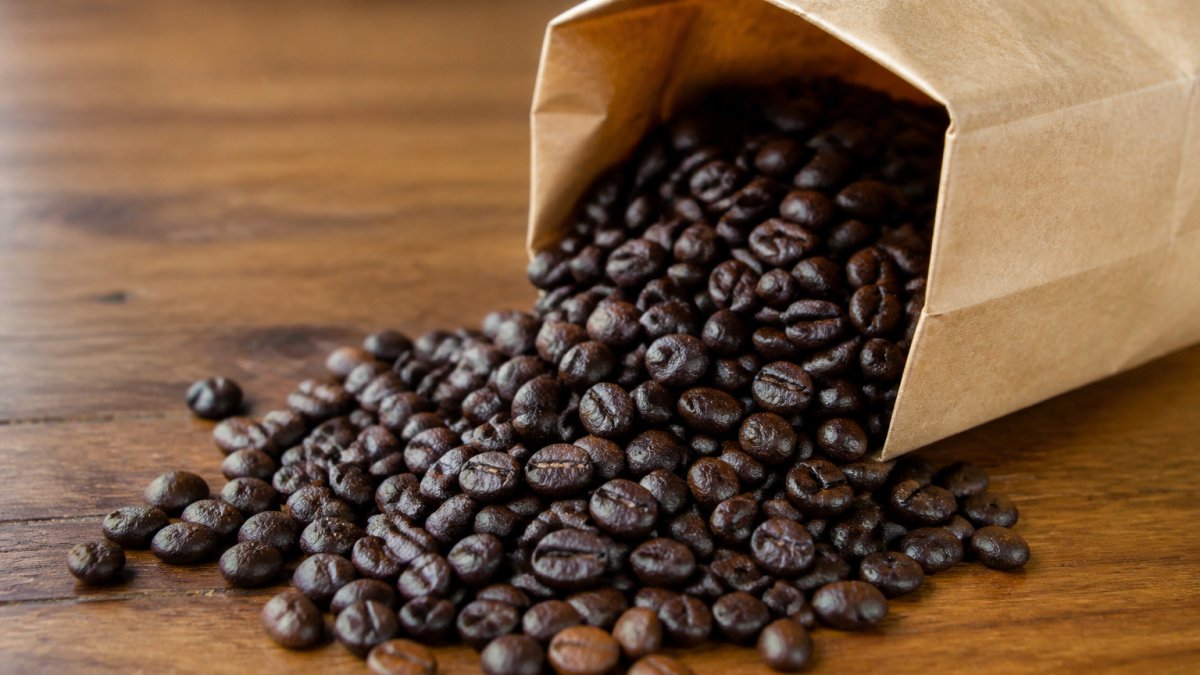
Freshly roasted beans smell incredible. Two weeks later, the same beans can taste flat and papery. Nothing "went bad" in the food-safety sense.
Here is the core tension most guides skip: freshness is not one clock. It is two clocks running at different speeds, and they need different fixes.
Degassing vs. Oxidation: Two Different Enemies
Degassing is the release of carbon dioxide trapped in beans during roasting. Oxidation is the reaction of oxygen with coffee oils and aromatic compounds, which turns flavors stale and flat.
These are not the same problem. Degassing is fast, expected, and mostly harmless once it settles. Oxidation is slow, invisible, and the real thief. Most storage advice fails because it fights only one of them.
Coffee Degassing After Roasting: The Carbon Dioxide Window
Coffee degassing after roasting is the release of carbon dioxide that continues for days to weeks after the roast. Roasting creates CO2 inside the bean, and it escapes steadily through tiny pores.
Why does this matter for your cup? Freshly roasted beans release so much gas that hot water cannot soak in evenly.
A common mistake is brewing beans the day they arrive. If the bag was roasted yesterday, give whole beans a few days of rest first.
How Long Do Coffee Beans Stay Fresh? A Realistic Timeline
Whole bean coffee stays fresh for roughly two to four weeks after the roast date for peak flavor, then declines gradually over the following weeks. Ground coffee moves much faster: days, not weeks. But that headline number hides the variables that actually decide how long your specific bag lasts. The timeline below breaks freshness down by roast level, bean form, packaging, and storage so you can estimate your own window instead of guessing.
Freshness by Roast Level
Lighter roasts tend to peak a little later and hold aromatic brightness longer because their surface oils are less developed and less exposed. Darker roasts show well early, then fade faster because more oils sit on the surface, exposed to oxygen.
| Roast Level | Peak Window (Whole Bean, Sealed) | Noticeable Decline |
|---|---|---|
| Light | Weeks 1-4 | Weeks 5-8 |
| Medium | Weeks 1-3 | Weeks 4-7 |
| Dark | Days 3-14 | Weeks 3-6 |
These are practical ranges most roasters work with, not lab guarantees. Your storage conditions can stretch or shrink them by a week or more in either direction.
Freshness by Bean Form
Grind size is the single biggest accelerator of flavor loss after roast level. Grinding exposes far more surface area to oxygen, so the clock jumps forward the moment beans are ground.
| Form | Peak Window After Roast | Notes |
|---|---|---|
| Whole bean, sealed bag | 2-4 weeks | One-way valve slows oxidation |
| Whole bean, opened bag | 1-2 weeks | Air exchange speeds decline |
| Ground, sealed bag | 3-7 days | Surface area drives rapid loss |
| Ground, opened bag | 1-3 days | Aroma fades first, then flatness |
| Single-serve pod | 1-3 days after opening | Sealed pods hold longer, but once opened the clock is short |
A common pattern is that ground coffee smells fine on day one and tastes hollow by day four. That is not your imagination; it is the surface-area effect at work.
Freshness by Packaging and Storage
Packaging and storage decide how much of that window you actually get. The table below compares common setups directly.
| Setup | Relative Freshness Retention | Key Trade-off |
|---|---|---|
| Sealed bag with one-way valve, unopened | Best | Valve releases CO2 without letting oxygen in |
| Airtight opaque container, filled close to top | Very good | Limits oxygen and light; headspace matters |
| Resealed original bag, air pressed out | Good | Works short term; bag is not fully airtight |
| Clear glass jar on counter | Fair | Light degrades oils; not airtight enough |
| Refrigerator | Poor | Moisture and condensation flatten flavor |
| Freezer, sealed bag, long term | Good if done right | Moisture control is critical; thaw fully before grinding |
If you freeze, use a sealed bag or airtight container, squeeze out air, and thaw completely before grinding to avoid condensation on the beans. Do not refreeze repeatedly.
Putting the Timeline Together
Use the roast date as your anchor, then adjust for form and storage. A medium roast in a sealed bag with a valve gives you roughly two to three weeks of peak flavor. The same beans ground and left in an opened bag may be past their best in under a week. Dark roasts and ground coffee are the fastest faders; light roasts stored whole in airtight, opaque containers are the slowest.
How to Keep Coffee Beans Fresh: The Four Enemies
Four things destroy coffee freshness: oxygen, moisture, heat, and light. Every storage decision comes down to blocking these four.
- Oxygen: oxidizes oils and aromatic compounds. The biggest enemy by far.
- Moisture: triggers staleness and can promote mold. Never store beans in the fridge.
- Heat: speeds up every chemical reaction, including the bad ones.
- Light: degrades oils and aromatics over time.
Store beans in an opaque, airtight container at room temperature, away from the stove and windows. Buy whole beans and grind just before brewing. That single habit does more for flavor than any gadget.
The Best Way to Store Coffee Beans (and What to Skip)
The best way to store coffee beans is an airtight, opaque container kept in a cool, dark cupboard, filled close to the top to limit air space.
Sealed packaging helps, but only until you open it. A bag with a one-way valve protects beans in transit. Once opened, the clock speeds up. Transfer to an airtight container or press the air out of the bag and clip it shut.
USDA Food Safety and Inspection Service guidance on food storage offers general principles on keeping dry goods cool and dry, which apply to coffee storage too.
Stale Beans or Bad Brew? A Diagnostic Guide
Before blaming the beans, rule out the brew. Many cups that taste "stale" are actually brewed wrong, and the fix is cheaper than a new bag. Work through the flow below in order. Stop at the first issue you find and correct it before moving on.
Step 1: Check the Roast Date
Find the roast date on the bag. If it is missing, treat the beans as unknown age. If the roast date is more than two months old and the cup tastes papery no matter how you brew, the beans are past their prime. If the date is recent, the problem is almost certainly in the brew.
Step 2: Match the Symptom to the Cause
Use this table to narrow down what you are tasting.
| What You Taste | Likely Cause | First Fix |
|---|---|---|
| Weak and watery | Under-dosing or too-coarse grind | Use more coffee or grind finer |
| Bitter and harsh | Water too hot or over-extraction | Lower water temperature or coarsen grind |
| Sour | Under-extraction | Grind finer or extend brew time |
| Flat with no aroma at all | Stale beans | Check roast date; replace if old |
| Muddy or chalky | Mineral buildup in equipment | Clean your brewer |
| Inconsistent from cup to cup | Uneven grind or poor water distribution | Improve grind consistency and pour technique |
Step 3: Rule Out Brewing Variables
If the roast date is recent and the symptom points to brewing, check these in order:
- Grind: Is it consistent, and does it match your brewer? A grind that is too coarse for a pour-over will taste weak; too fine for a French press will taste muddy.
- Dose: Are you using enough coffee? A common starting point is roughly 1 to 2 tablespoons of ground coffee per 6 ounces of water, adjusted to taste.
- Water temperature: Water that is too hot extracts bitterness; too cool under-extracts. Most brewers aim for just off the boil.
- Water quality: Hard water or heavily chlorinated water can flatten flavor. Filtered water is a simple upgrade.
- Equipment residue: Old oils and mineral scale in your brewer or grinder can make fresh beans taste stale. Clean your gear regularly.
Step 4: Confirm With a Freshness Test
If brewing variables check out, run a quick freshness test. Open the bag and smell: fresh beans smell sweet and vivid, stale beans smell flat or like cardboard. Pour hot water over a spoonful of grounds: fresh coffee puffs up and bubbles as CO2 escapes, while little or no bloom means the gas is gone. These tests are not precise dating tools, but they separate clearly stale beans from beans that are simply brewed wrong.
When to Replace the Beans
Replace the bag if the roast date is old, the beans smell flat, and the cup tastes papery regardless of grind or dose. If the beans are recent and smell vivid, adjust your brew before buying new coffee. The diagnostic flow above will tell you which side of that line you are on.
Freshness Tests You Can Run at Home
You can test coffee freshness in under a minute, no equipment needed.
- The smell test. Open the bag and breathe in. Fresh beans smell sweet and vivid. Stale beans smell flat or like cardboard.
- The bloom test. Pour hot water over a spoonful of grounds. Fresh coffee puffs up and bubbles as CO2 escapes. Little or no bloom means the gas is gone.
- The squeeze test. Press a bean. Fresh beans feel firm and slightly oily. Old beans feel dry and brittle.
- The sound test. Shake the bag. Fresh beans rattle softly; very old beans sound hollow and dry.
Conclusion
The hardest part of fresh coffee is that flavor fades on a schedule you cannot see. You only find out at the first sip. The fix is simple: buy from a roaster who dates the bag and roasts to order, store beans right, and grind just before brewing.
That is exactly how we built Beverly Blend. Our single-origin lots, from Brazil Santos to Ethiopia Natural, are priced at $19.99 per bag with no subscription lock-in.

Frequently Asked Questions
Why do coffee beans lose flavor after roasting?
Two processes drive it. First, freshly roasted beans release carbon dioxide for several days, a phase called degassing. That gas pushes aroma out of the bean. Second, once most CO2 has escaped, oxygen moves in and oxidizes the volatile compounds and coffee oils that carry flavor. Light, heat, and moisture speed both processes up. The result is flat, papery, or stale-tasting coffee. Whole beans slow this down because the surface area is small, but nothing stops it entirely.
How long do coffee beans stay fresh after roasting?
Whole beans hit peak flavor roughly 4 to 14 days after the roast date, depending on roast level and how they are stored. After that, quality declines gradually. Most roasters suggest enjoying beans within 3 to 6 weeks of roasting, and ground coffee fades much faster, often within a week or two. Check the roast date on the bag rather than a best-by date, since roast date is the number that actually tells you where a bean sits on that curve.
Does coffee lose flavor faster after grinding?
Yes, considerably faster. Grinding exposes far more surface area to oxygen, so the volatile compounds that create aroma escape within hours rather than weeks. If you want to keep coffee beans fresh, grind right before you brew. A burr grinder set to your brew method's grind size makes the biggest difference. Pre-ground coffee is convenient, but plan to use it within a week or two and store it in an airtight container away from light and heat.
Can you still drink coffee beans that have lost their flavor?
Yes. Stale coffee is not unsafe to drink, it just tastes flat, dull, or slightly papery. You can still brew it, though you may want to use it for cold brew or a milk-heavy drink where the loss is less noticeable. If beans smell like cardboard or have visible mold, discard them. Otherwise, finish the bag and note the roast date so your next order arrives closer to peak flavor.
Fresh coffee should not be a gamble. Get started with Beverly Blend and taste what a properly timed roast-to-door delivery does for your morning cup.