

Why Single Origin Coffee Tastes Better
Table of Contents
- What Makes Single Origin Coffee Different
- Single Origin vs Blend Coffee: Understanding the Core Difference
- How Terroir Shapes Flavor in Single Origin Beans
- Processing Methods That Unlock Flavor Complexity
- How to Brew Single Origin Coffee for Maximum Flavor
- Traceability and Transparency: Why It Matters
- The Trade-Off: Consistency vs. Uniqueness
- Conclusion
Last Updated: August 19, 2026
What Makes Single Origin Coffee Different
Single origin coffee captures the authentic character of a specific region rather than blending flavors from multiple sources. You're getting beans from one farm, one country, or one defined geographic area, not a mix sourced from different places.
The difference is immediate on the palate. An Ethiopian single origin tastes distinctly different from Colombian or Guatemalan coffee because each region's unique elevation, soil composition, climate, and farming practices create a flavor profile belonging to that place alone. At Beverly Blend, we work directly with smallholder farmers to source beans expressing these regional characteristics, whether that's the fruity brightness of our Ethiopia Natural or the balanced chocolate and berry notes in our Colombia.


Blended coffees combine beans from different origins to create consistent taste year-round. That consistency comes at a cost: distinctive regional character gets smoothed out. Single origin coffees embrace variation, harvest season changes flavor slightly, processing methods create complexity. These are features that make single origin coffee worth seeking out.
Single Origin vs Blend Coffee: Understanding the Core Difference
Single origin and blend coffees serve different purposes. Single origin tastes better for drinkers who want to experience the specific terroir and processing character of a particular region. You're tasting the story of that place: altitude, soil, weather that season, and the farmer's processing choices. Every cup carries those variables.
Blended coffees combine beans from multiple origins to create consistent flavor profiles. The roaster balances acidity, body, and sweetness across different sources to hit a target taste. Consistency is the advantage; if you find a blend you love, it tastes the same every time. Individual regional characteristics get diluted.
For home brewing, single origin coffees demand more attention. Water temperature, grind size, and brew time matter more because the beans have more complexity to extract. Blends are often formulated to be forgiving.
| Characteristic | Single Origin | Blend |
|---|---|---|
| Flavor Profile | Unique to region; varies seasonally | Consistent year-round |
| Complexity | High; expresses terroir and processing | Balanced; flavors complement each other |
| Traceability | Full; you know the farm or region | Limited; multiple sources blended |
| Brewing Sensitivity | High; extraction variables matter more | Lower; more forgiving with technique |
| Supply | Limited; depends on harvest and processing | Stable; roaster adjusts sources as needed |
| Price Point | Often higher per pound | Competitive pricing |
The choice isn't about one being objectively better. If consistency and ease matter most, a blend works. If you want to explore how geography and processing shape flavor, single origin is the path.
How Terroir Shapes Flavor in Single Origin Beans
Terroir is the complete environmental context where coffee grows: elevation, climate, humidity, rainfall patterns, and the specific microclimate of each farm. These factors combine to create the flavor profile you taste in your cup.
Coffee grown at high elevation develops more complex sugars and acids because cooler temperatures slow plant growth, extending the growing season and concentrating flavor compounds. A coffee from Ethiopian or Guatemalan mountains will taste noticeably brighter and more nuanced than the same varietal grown at lower elevation.
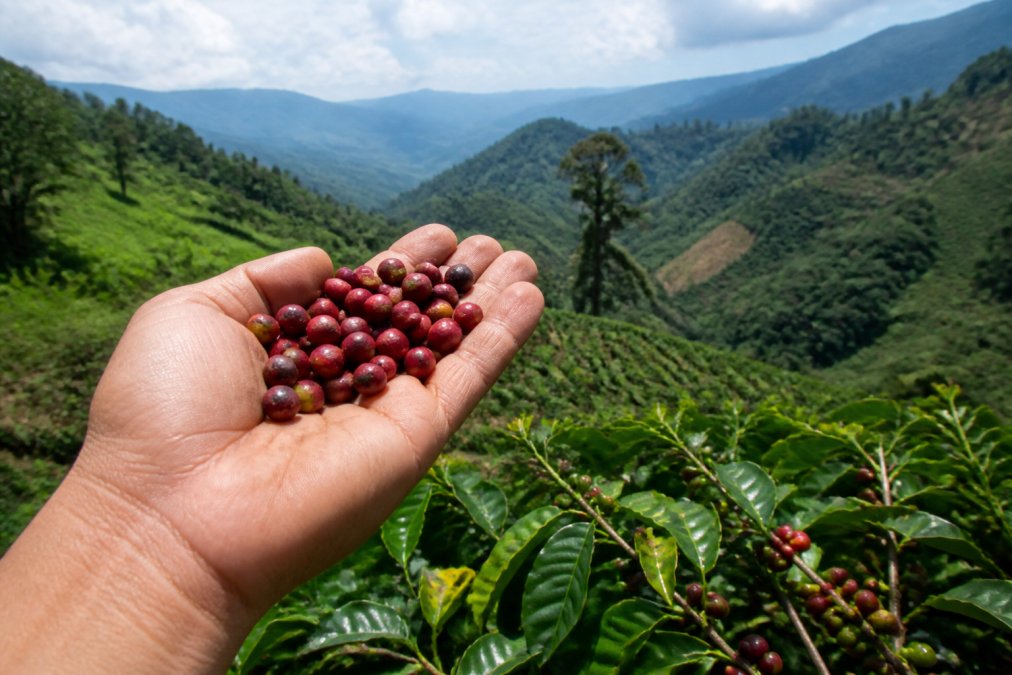
Regional characteristics also depend on soil composition. Volcanic soil, common in Central America, imparts mineral and earthy notes. Different soil types influence how plants absorb nutrients, directly affecting the bean's chemistry and final taste.
Elevation and Regional Characteristics
Elevation is one of the most direct influences on single origin coffee flavor. Beans grown between 1,200 and 2,200 meters above sea level typically develop the most complex flavor profiles. The cooler air forces the plant to work harder, producing denser beans with more developed flavor compounds.
Different regions have signature elevation profiles. Ethiopian coffees often grow at 1,500-2,100 meters, producing fruity and floral notes. Guatemalan coffees from the Antigua region sit at 1,500-1,700 meters and develop chocolate, caramel, and bright fruit characteristics. Regional characteristics extend beyond flavor to include the cultivar planted. A Bourbon varietal in Colombia tastes different from the same varietal in Ethiopia because terroir changes how the plant expresses its genetic potential.
Soil, Climate, and Harvest Season
Soil composition directly influences mineral content in the beans. Coffee plants absorb nutrients from the soil, and those nutrients become part of the bean's chemistry. Volcanic soil creates different mineral profiles than clay or limestone soil, which is why a coffee from a volcanic region often has a slightly different mineral or earthy character.
Climate patterns determine when harvest happens and what weather conditions existed during growing season. A wet season followed by a dry season at the right time produces beans with optimal ripeness. This is why single origin coffee tastes better in some years than others from the same farm. Rainfall also shapes flavor, moderate, consistent rainfall during growing season produces balanced beans, while too much rain dilutes sugars and too little produces smaller, denser beans with concentrated but sometimes harsh flavors.
Processing Methods That Unlock Flavor Complexity
How coffee cherries are processed after picking dramatically changes the final flavor. Three main processing methods dominate specialty coffee: washed, natural, and honey process.
Washed process removes the fruit from the bean immediately after picking, then ferments the beans to break down remaining mucilage. This method emphasizes the bean's origin characteristics and produces cleaner, brighter acidity. The processing method is neutral, letting the bean speak for itself.
Natural process leaves the fruit on the bean while it dries. The bean absorbs sugars and flavors from the drying fruit, creating a sweeter, fruitier cup with pronounced fruit notes like blueberry, strawberry, or tropical fruit.
Honey process splits the difference. The fruit gets removed, but some mucilage stays on the bean during drying. The amount of mucilage left determines how much fruit character ends up in the cup. Each processing method is valid, and the choice depends on what the farmer wants to emphasize. Single origin coffee tastes better when the processing method matches the regional characteristics.
How to Brew Single Origin Coffee for Maximum Flavor
Brewing single origin coffee requires attention to extraction variables because the beans have more flavor complexity to extract. Water temperature, grind size, brew time, and water quality all influence whether you pull out the best flavors.
The ideal brewing temperature is 195-205 degrees Fahrenheit. Too hot over-extracts, pulling bitter compounds. Too cool under-extracts, missing sweetness and complexity. Single origin coffees are sensitive to this range.
Grind size controls how quickly water contacts the coffee. Finer grinds expose more surface area, speeding extraction. Coarser grinds slow it down. Match your grind to your brewing method: pour-over needs medium-fine grind, French press needs coarse, espresso needs very fine.
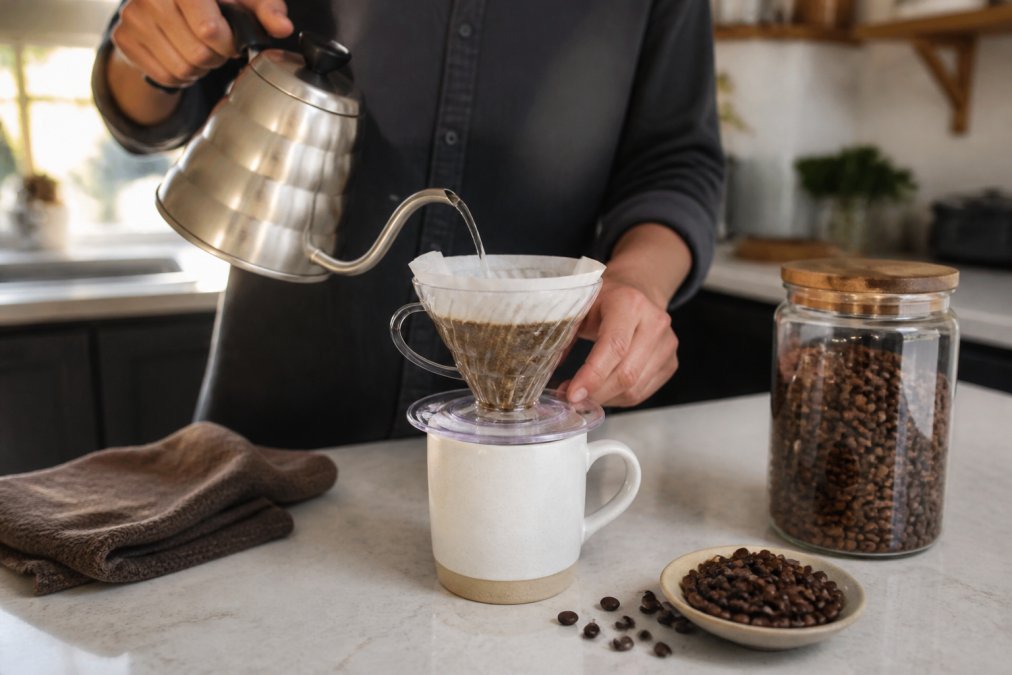
Brew time varies by method. Pour-over typically takes 3-4 minutes, French press takes 4 minutes, espresso takes 25-30 seconds. Adjust based on taste: if your cup tastes sour or thin, you're under-extracting; increase brew time or use finer grind. If it tastes bitter, you're over-extracting; decrease brew time or use coarser grind.
Water quality matters more than most realize. Tap water with high chlorine or mineral content affects flavor. Filtered water or bottled water produces cleaner results.
Extraction Variables and Sensory Experience
Extraction is the process of dissolving the coffee's soluble compounds into hot water. Optimal extraction pulls out the sugars, acids, and flavor compounds that create complexity and sweetness. Under-extraction produces sour, thin cups. Over-extraction pulls out bitter compounds, creating harsh, astringent flavors.
Single origin coffee tastes better when extraction is dialed in because you taste the full range of what the beans offer. A properly extracted cup shows the acidity, body, and flavor notes the terroir and processing created. You might taste floral notes of an Ethiopian natural process coffee or the chocolate and butterscotch of a Guatemalan medium roast.
Brightness refers to the acidity in the cup, a sharpness or liveliness on the palate. High-elevation, washed-process coffees tend to have more brightness. Mouthfeel describes the weight and texture: light, medium, or full body. Processing method and roast profile influence this. Sweetness comes from properly extracted sugars.
Traceability and Transparency: Why It Matters
Knowing where your single origin coffee comes from matters because it tells you whether the beans actually express their terroir and whether farmers were paid fairly. Traceability means you can trace the beans back to the specific farm or region where they grew.
Transparent roasters publish information about their sourcing: farm name or cooperative, region, elevation, processing method, and often the farmer's name. This transparency lets you verify that the coffee is actually single origin and not a blend disguised as such. It also tells you the roaster has a direct relationship with the farmer, a sign of quality and fair pricing.
Direct trade relationships between roasters and farmers ensure farmers receive prices above commodity rates. When a roaster works directly with a farmer rather than buying through middlemen, more money reaches the person who grew the beans. This incentivizes farmers to invest in quality rather than volume.
At Beverly Blend, we work directly with smallholder farmers and publish information about each coffee's origin. Our Ethiopia Natural comes from the Sidama zone; our Colombia is sourced from smallholder farmers in Medellin. This transparency lets you know exactly where your coffee comes from.
Traceability also protects you from greenwashing. Some roasters claim single origin sourcing without verifying it or use vague regional descriptions that hide blending. Transparent roasters provide specifics: farm name, elevation, harvest date, processing method. If your roaster can't or won't provide these details, that's a red flag.
The Trade-Off: Consistency vs. Uniqueness
Single origin coffee tastes better if you value uniqueness and regional character. The trade-off is that consistency suffers. Each harvest brings slight variations in flavor because weather, soil conditions, and processing techniques vary year to year.
This inconsistency frustrates some drinkers. If you buy the same single origin coffee twice and it tastes slightly different, that's not a quality failure, that's terroir expressing itself across seasons. A wetter year produces different flavor than a drier year.
Blended coffees solve this problem by combining beans from multiple origins and adjusting blend proportions to hit a consistent target flavor. For specialty coffee drinkers, seasonal variation is part of the appeal. For everyday drinkers who want reliable flavor, blends make more sense.
Cost is another trade-off. Single origin coffees typically cost more per pound than blends because supply is limited and sourcing requires direct relationships with farmers. Our Single Origin Favorites Sample Pack lets you explore multiple origins at a lower entry point than buying full bags of each.
Conclusion
Why single origin coffee tastes better comes down to terroir, processing method, and the farmer's intentional choices. When you buy single origin, you're tasting a specific place and a specific harvest, not a compromise blend designed for consistency.
The flavor complexity of single origin coffee rewards attention. Brewing technique matters more because the beans have more to offer. Traceability matters because it connects you to the farmer and verifies the sourcing story.
If you're ready to explore single origin coffee, start with a sample pack to try multiple origins without committing to full bags. Beverly Blend's Single Origin Favorites Sample Pack includes six 2-ounce samples of our most popular single origins, roasted to order and shipped fresh. This approach lets you discover which regional characteristics resonate with your palate.
Frequently Asked Questions
Does single origin coffee always taste better than a blend?
Single origin coffee offers distinct, traceable flavor profiles that reflect its specific terroir, elevation, and processing method. However, 'better' depends on your preference. Single origin beans highlight regional characteristics and complexity, while blends are engineered for consistency and balance. If you value exploring unique flavor notes and sensory experiences, single origin will feel superior. If you prefer reliable, balanced flavor every morning, a blend may suit you better.
What is the difference between single origin and blend coffee?
Single origin coffee comes from one specific farm, region, or country, delivering unique flavor profiles shaped by local terroir and processing methods. Blends combine beans from multiple origins to achieve consistent taste and balanced body. Single origin emphasizes complexity and regional characteristics, think fruity notes from Ethiopia or chocolate from Guatemala. Blends prioritize predictability and smoothness, making them ideal for daily brewing without variation.
How does geography affect the flavor profile of coffee beans?
Geography determines everything about coffee flavor. Elevation affects acidity and brightness; higher altitudes produce more complex, acidic beans. Soil composition influences sweetness and body. Climate patterns during the harvest season shape ripeness and sugar development. These environmental factors, collectively called terroir, create the foundation for flavor. A Colombian bean from Medellin develops different characteristics than an Ethiopian varietal from Sidama, even when processed identically.
Is single origin coffee more expensive than blends?
Single origin coffee typically costs more because traceability, micro-lot sourcing, and direct trade relationships increase production costs. Specialty coffee roasters invest in cupping and sensory evaluation to highlight unique flavor profiles. Beverly Blend's single origin options like Ethiopia Natural and Colombia are priced at $19.99, reflecting careful sourcing and roast-to-order freshness. However, you can explore single origin affordably with the Single Origin Favorites Sample Pack at $24.99, which lets you taste multiple origins before committing to full bags.
Exploring single origin coffee is an investment in flavor and in understanding how geography shapes what you taste. Beverly Blend roasts single origin beans to order, ensuring maximum freshness and flavor. Start with our sample pack to find your favorites, then explore deeper into the origins and processing methods that create the complexity you're looking for.
This article was written using GrandRanker